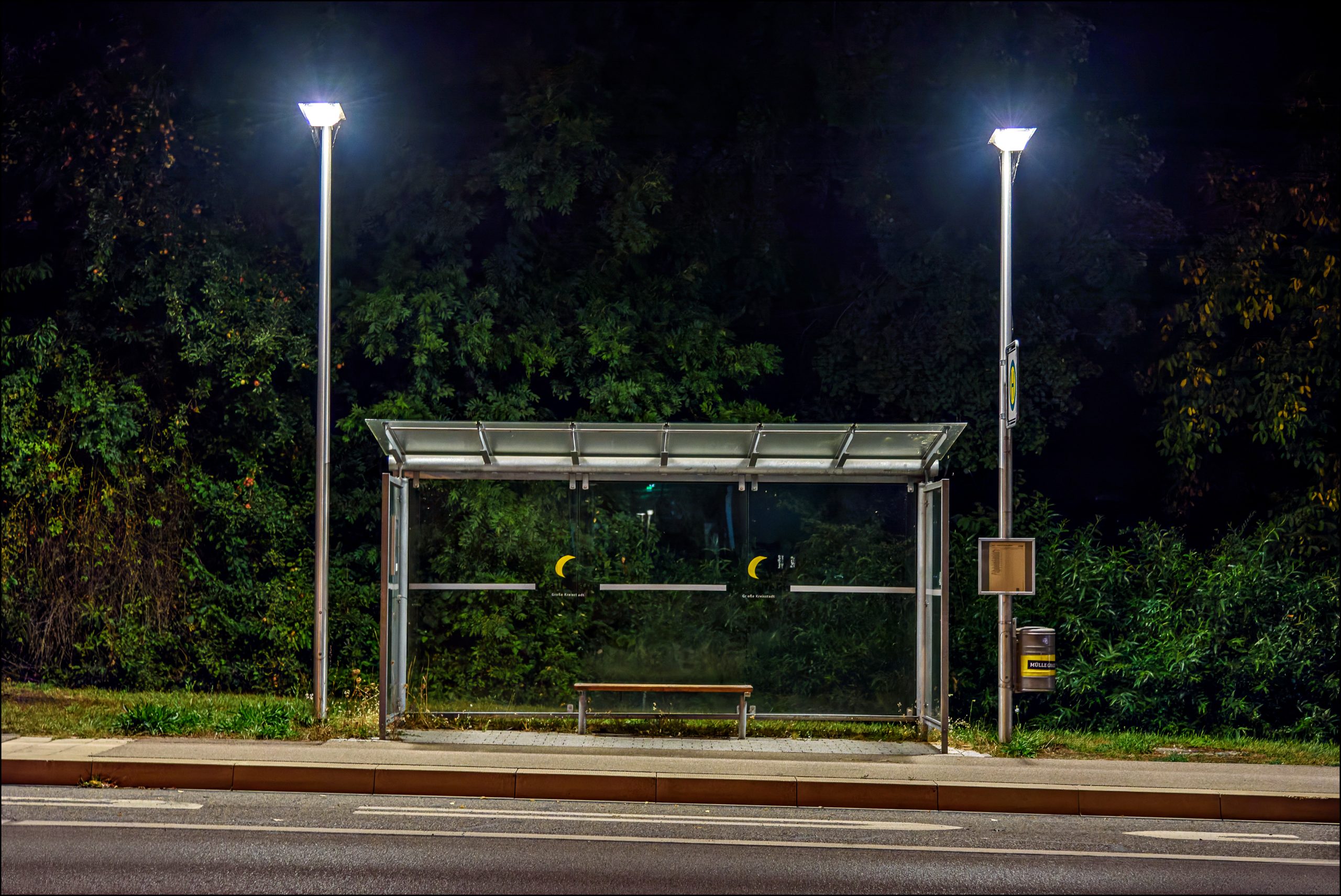
In 2018 I stayed in the Clarendon Hotel in Blackheath in the conurbation of London, England. From the window of my room an isolated bus stop, not in front but next to and named after the hotel, attracted my attention. Its surounding meadow and obviously no regular pedestrian through traffic gave it a surprisingly isolated setting in the middle of the London conurbation, between the Shard in the West and Canary Wharf to the North (see last image below). I started to explore its visual isolation with my camera and even visited the hotel and room a second time to add some images, I believed to had missed before.
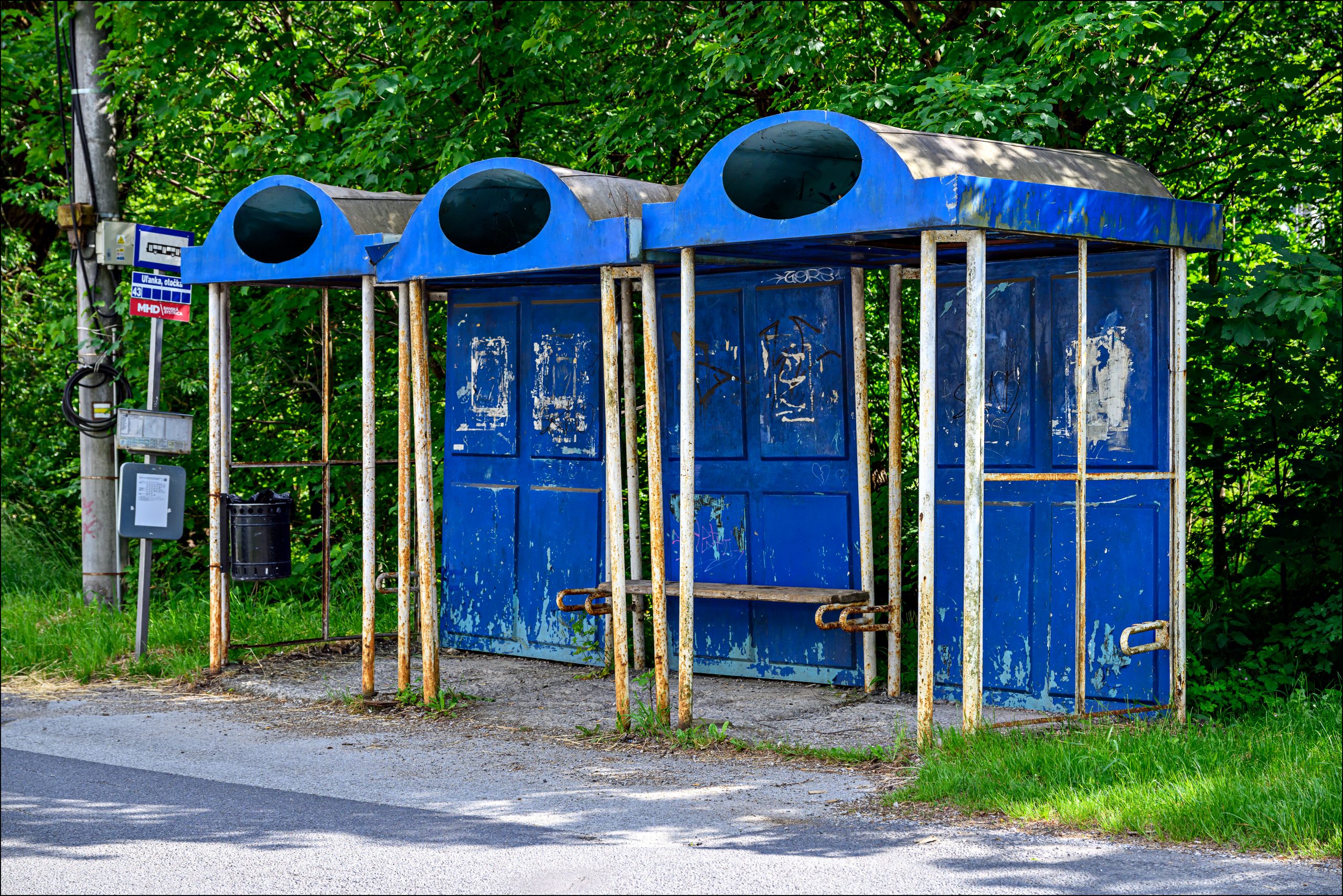
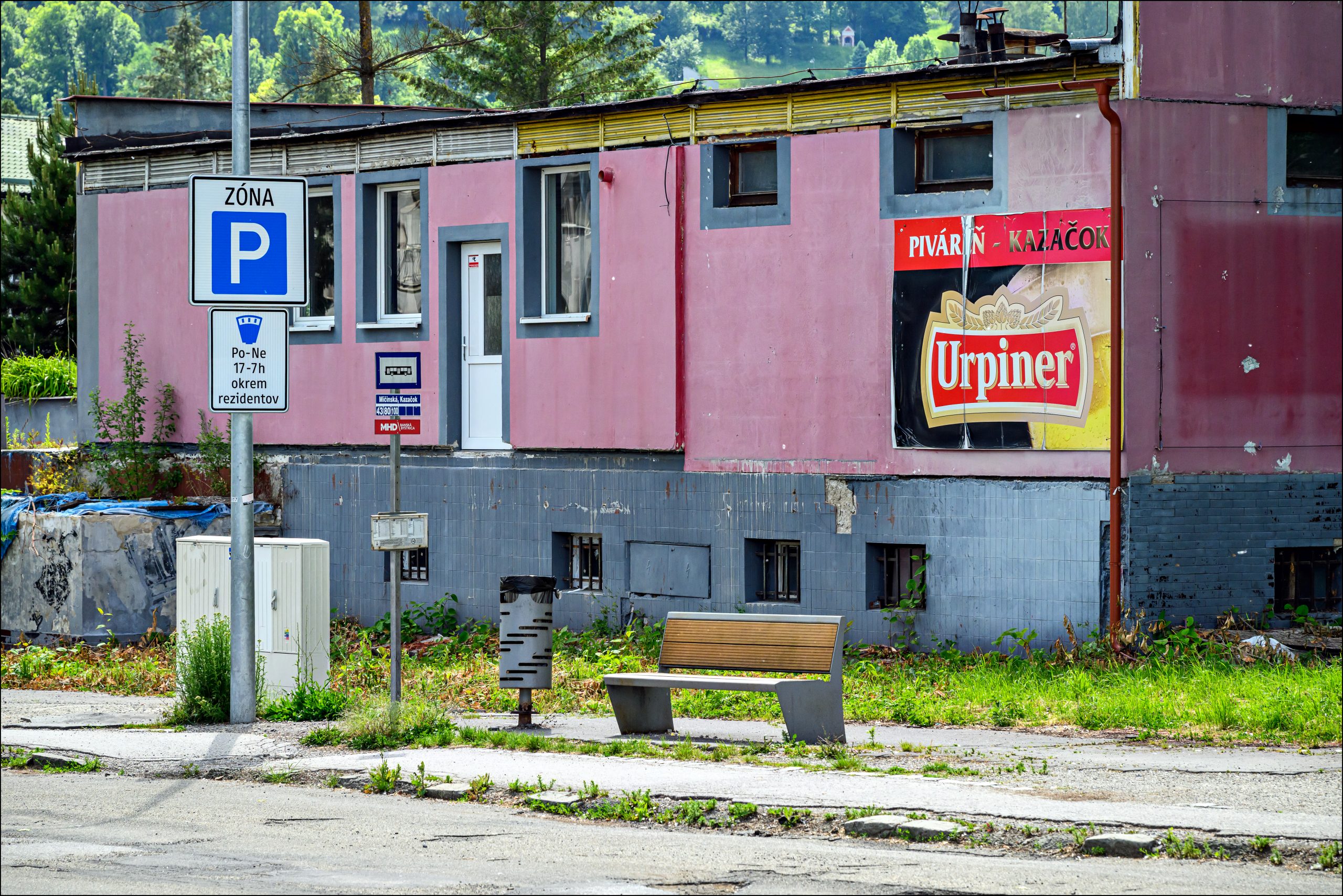
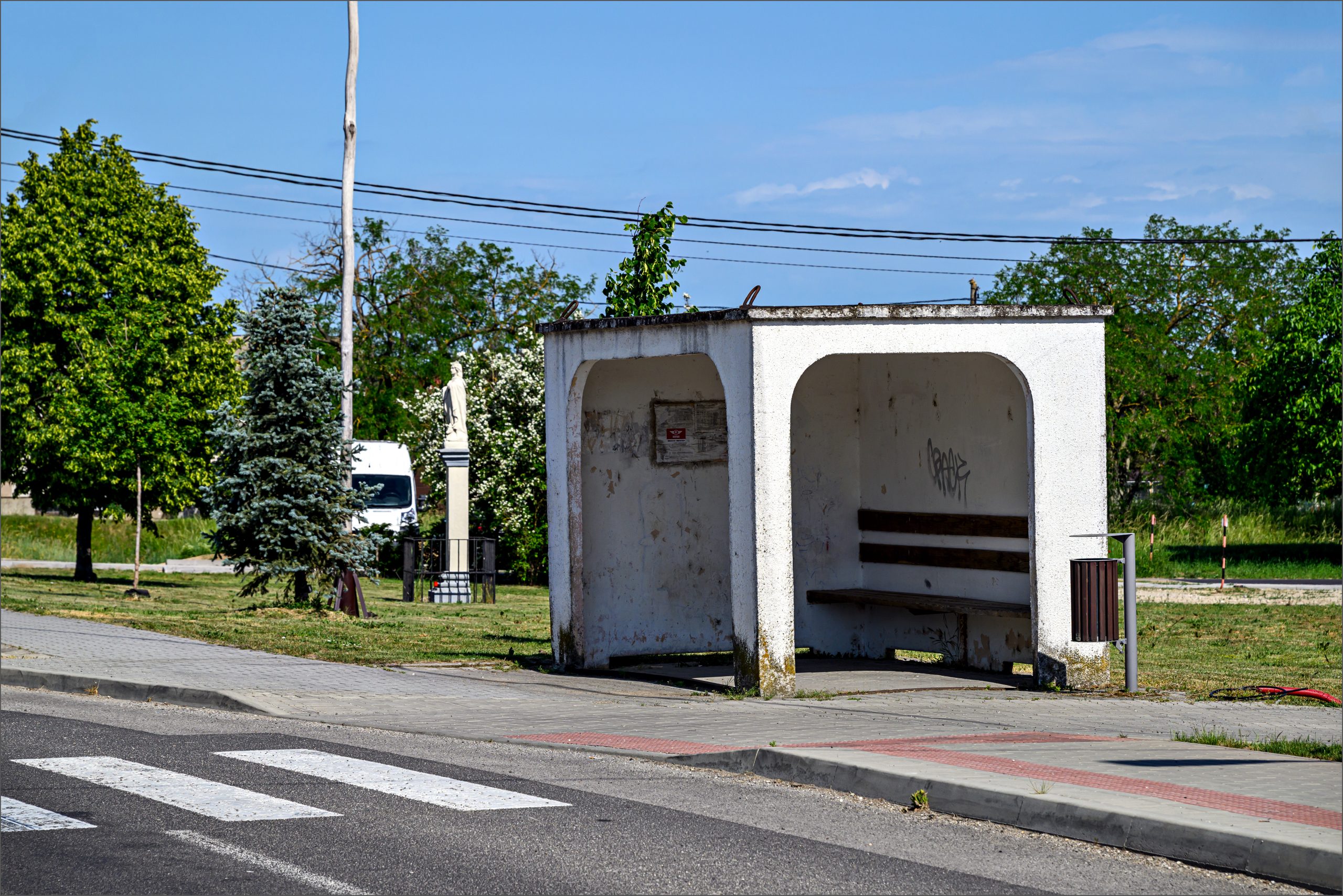
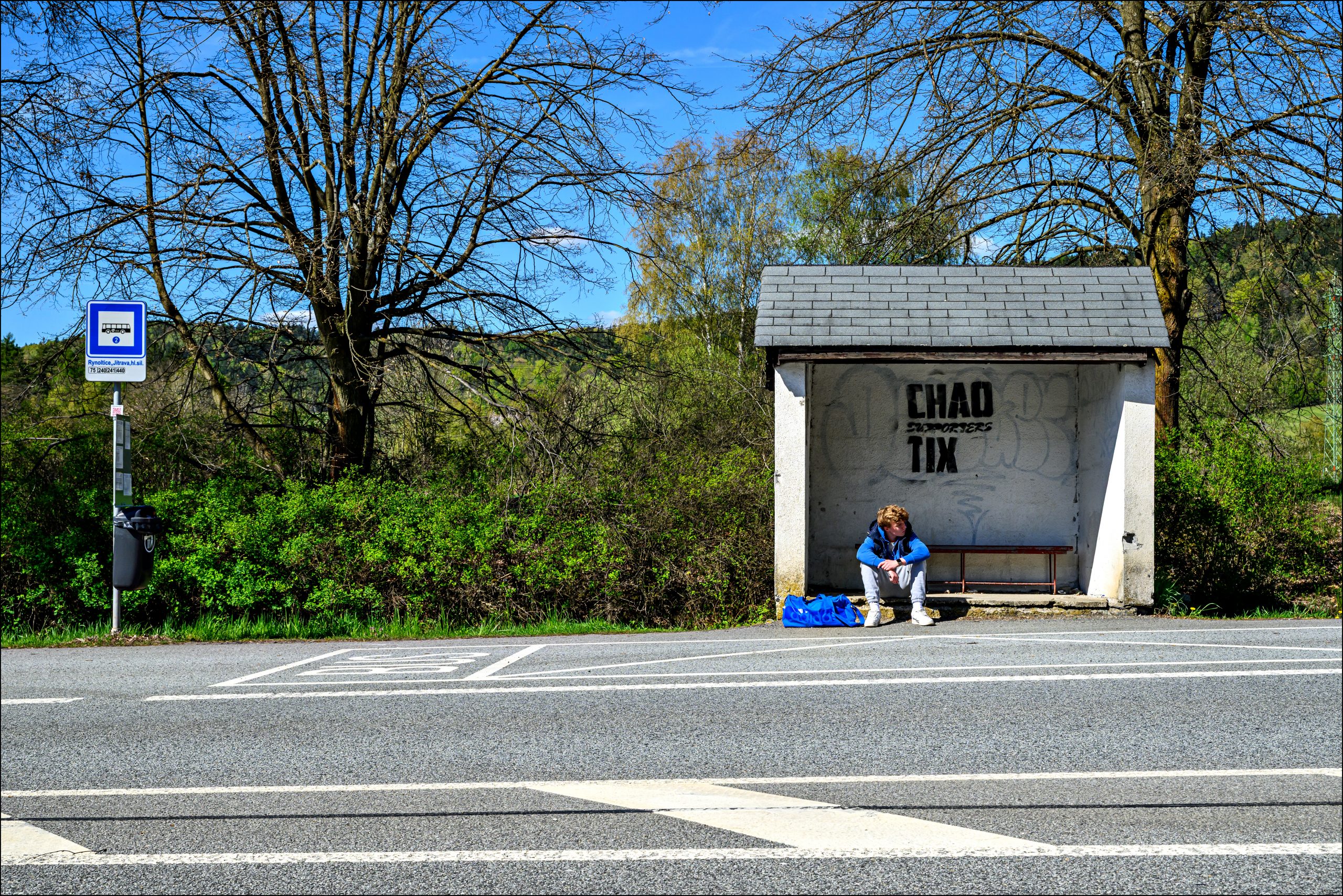
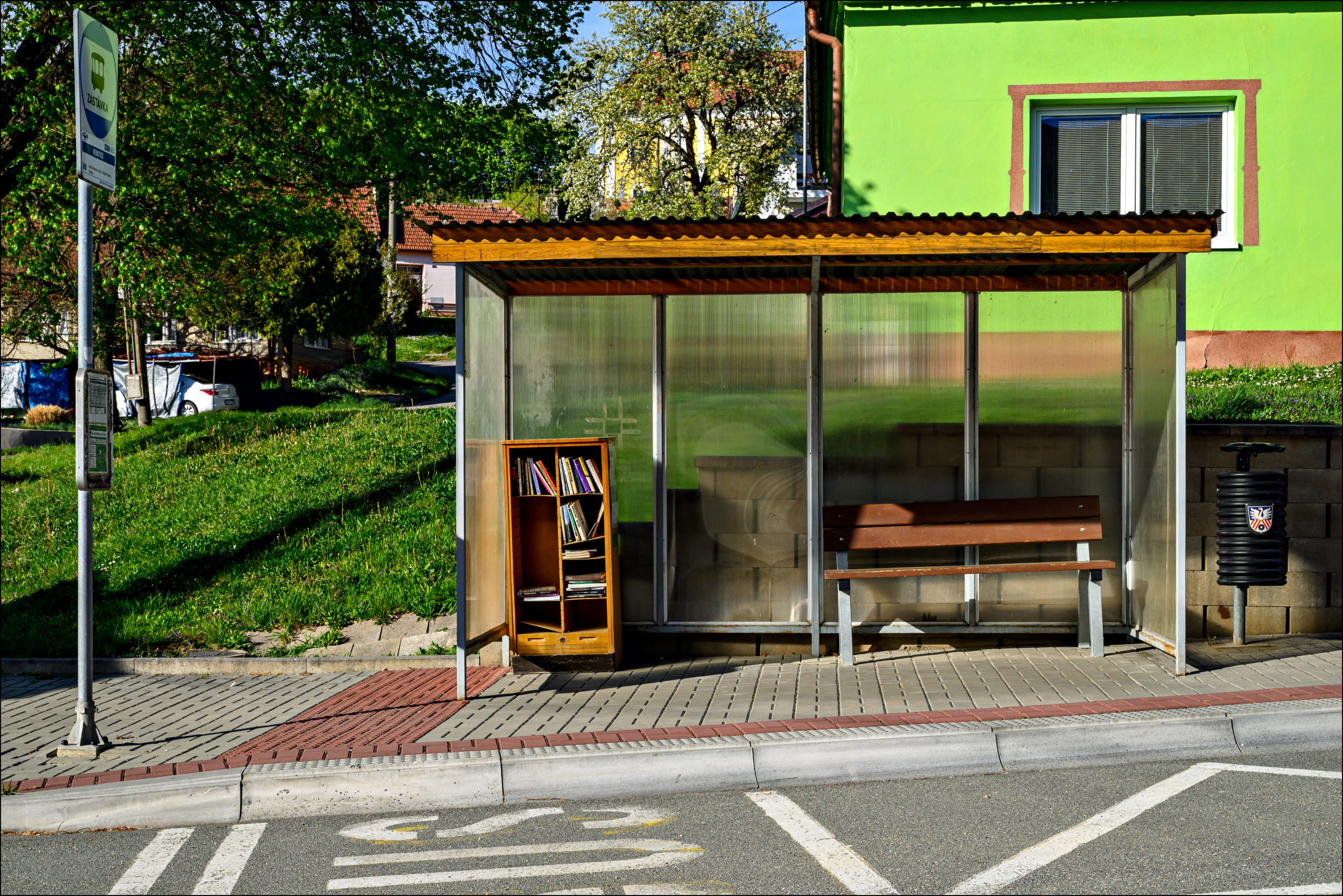
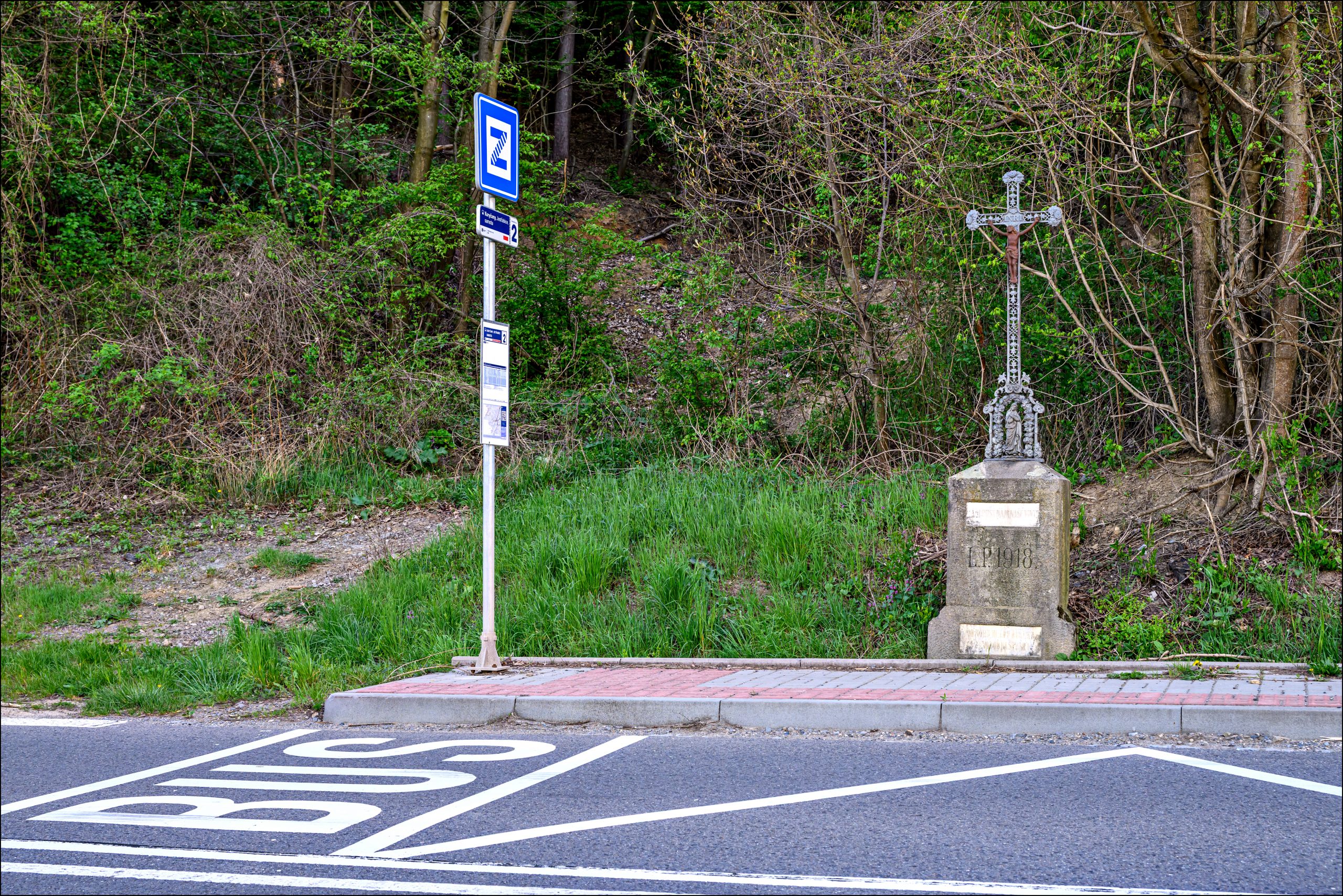
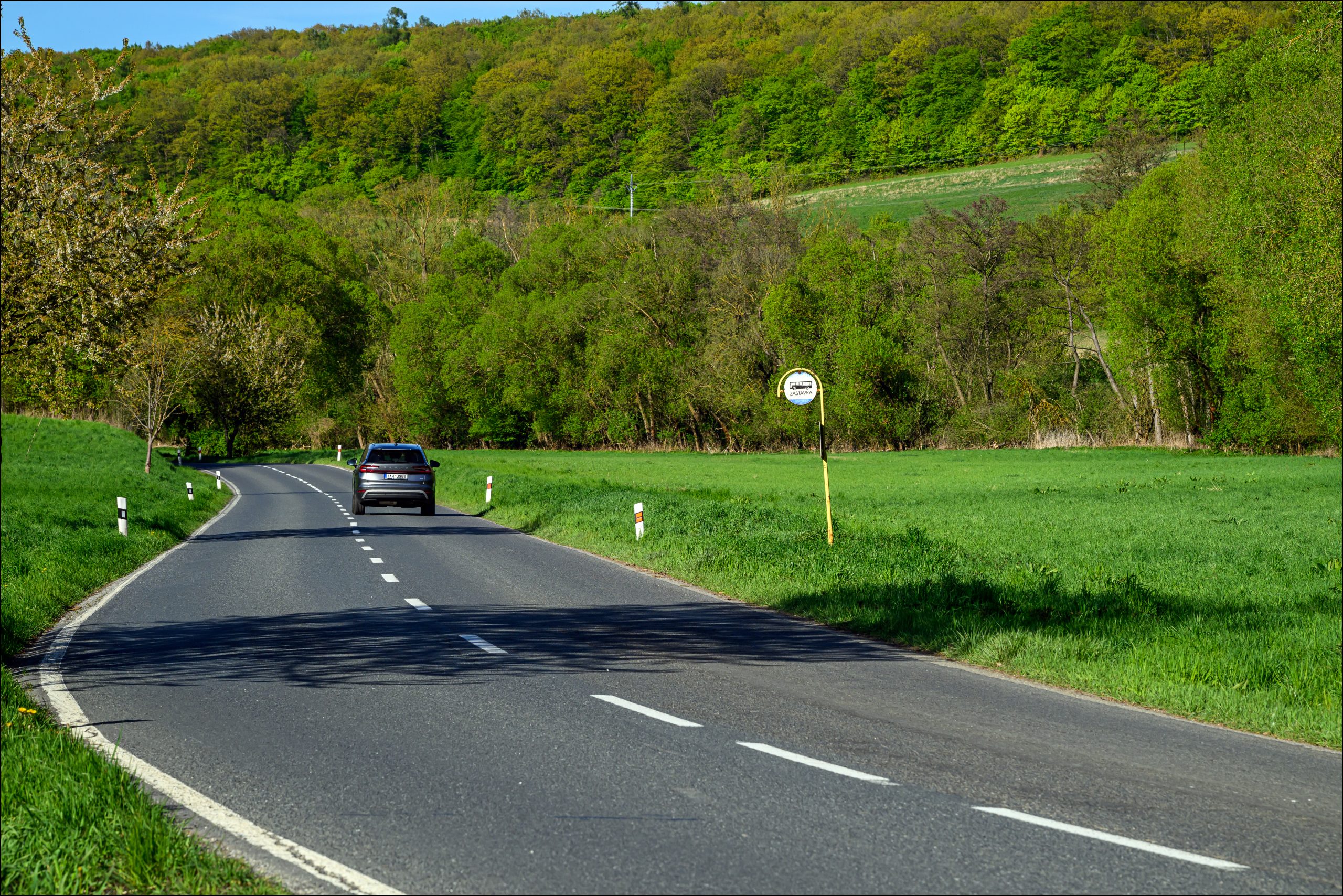
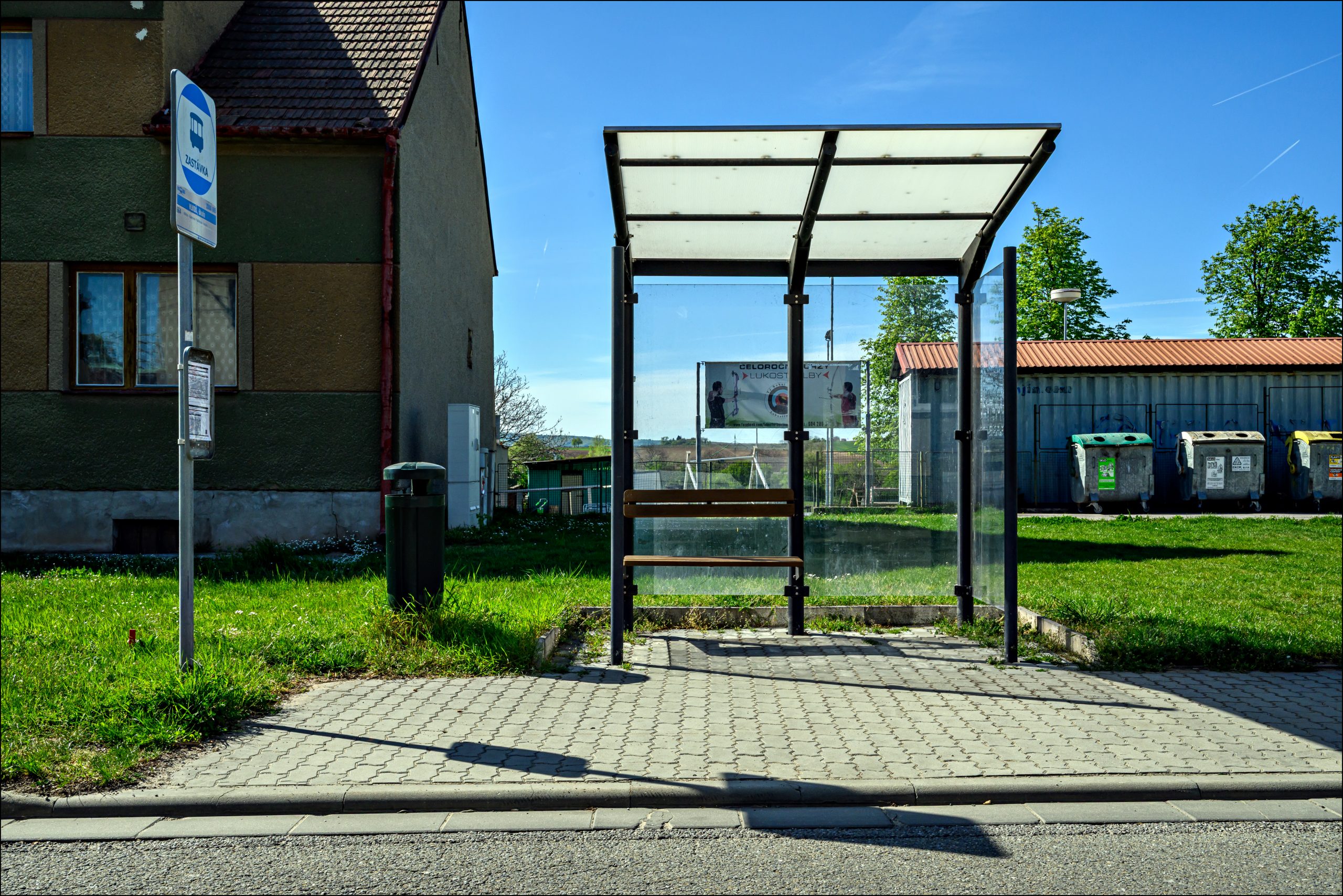
This experience became the starting point of the series Bus Stop. Since then I photograph bus stops whenever their location, surounding, design, lighting or whatever aspect attracts my attention. It’s not so much a project that I’m actively pursuing, but rather a by-product of my other activities, which is why chance also plays a part in choosing the subjects. But I may well turn the car to picture a bus stop I just passed or sometimes deliberately return to the place, if that was not possible. The following photos are therefore the result of attentive coincidence.
A place where we wait for life to go on!
A bus stop comes in two different forms. In the city, they are usually close to where you live and, thanks to frequent services and links to trams and the underground, offer an easy way to get around town quickly. However, the bus is just one of many options, as the distances are relatively short, so walking and cycling are also viable ways of reaching your destination.
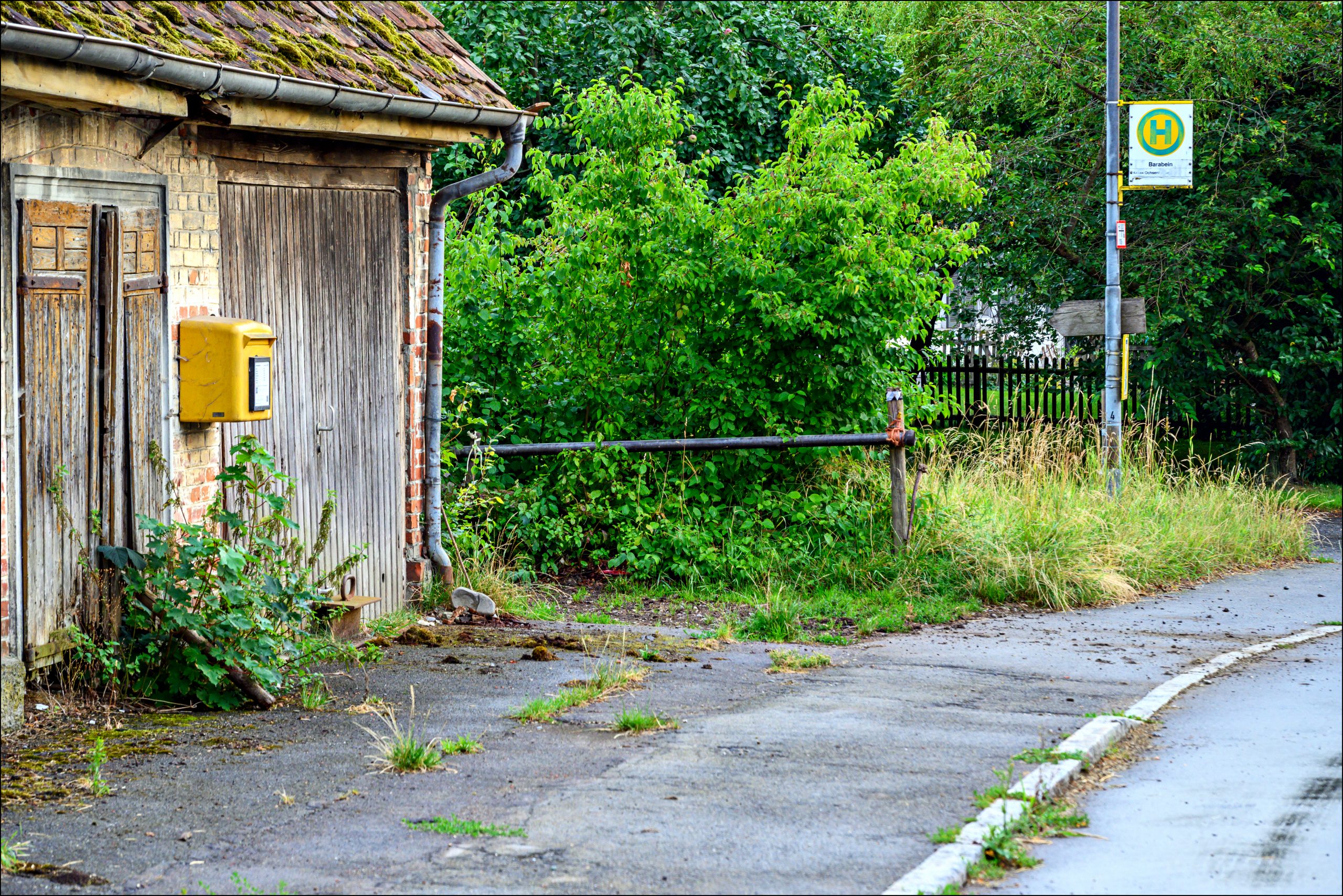
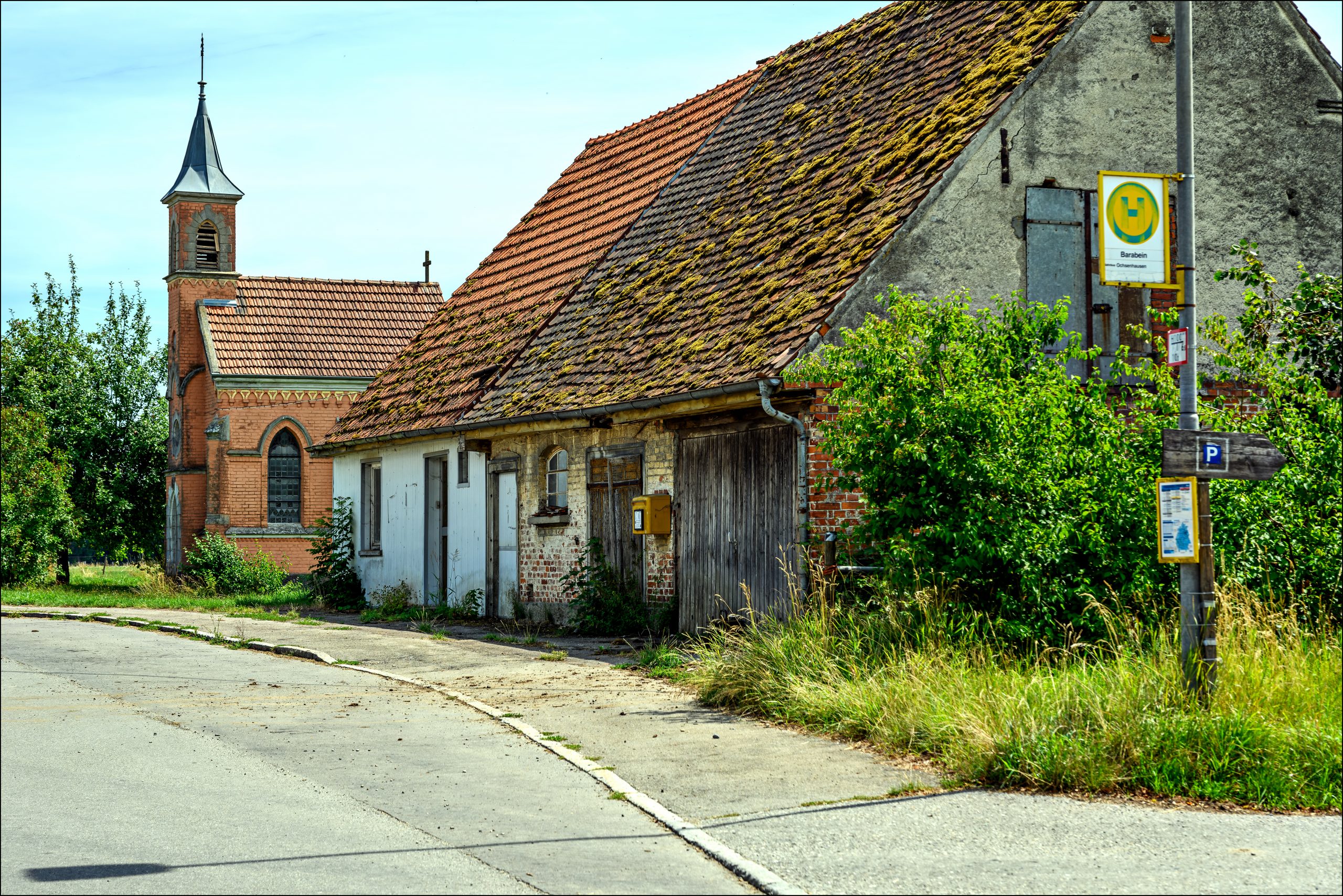
It is quite different in the countryside, where, if you do not have a car, the bus stop is the only way to get about. Here, the bus stop is the smallest gateway to the world.
Waiting at the bus stop is always a wait to get going. It is only indirectly related to the bus stop itself, which is merely the means of actually getting away from the place where it is located. Those who have arrived do not linger at the bus stop, but set off for their actual destination.
This results in an asymmetry in usage:
• Before the bus departs – waiting for the bus
• After the bus arrives – leaving the bus stop immediately, continuing on to the destination
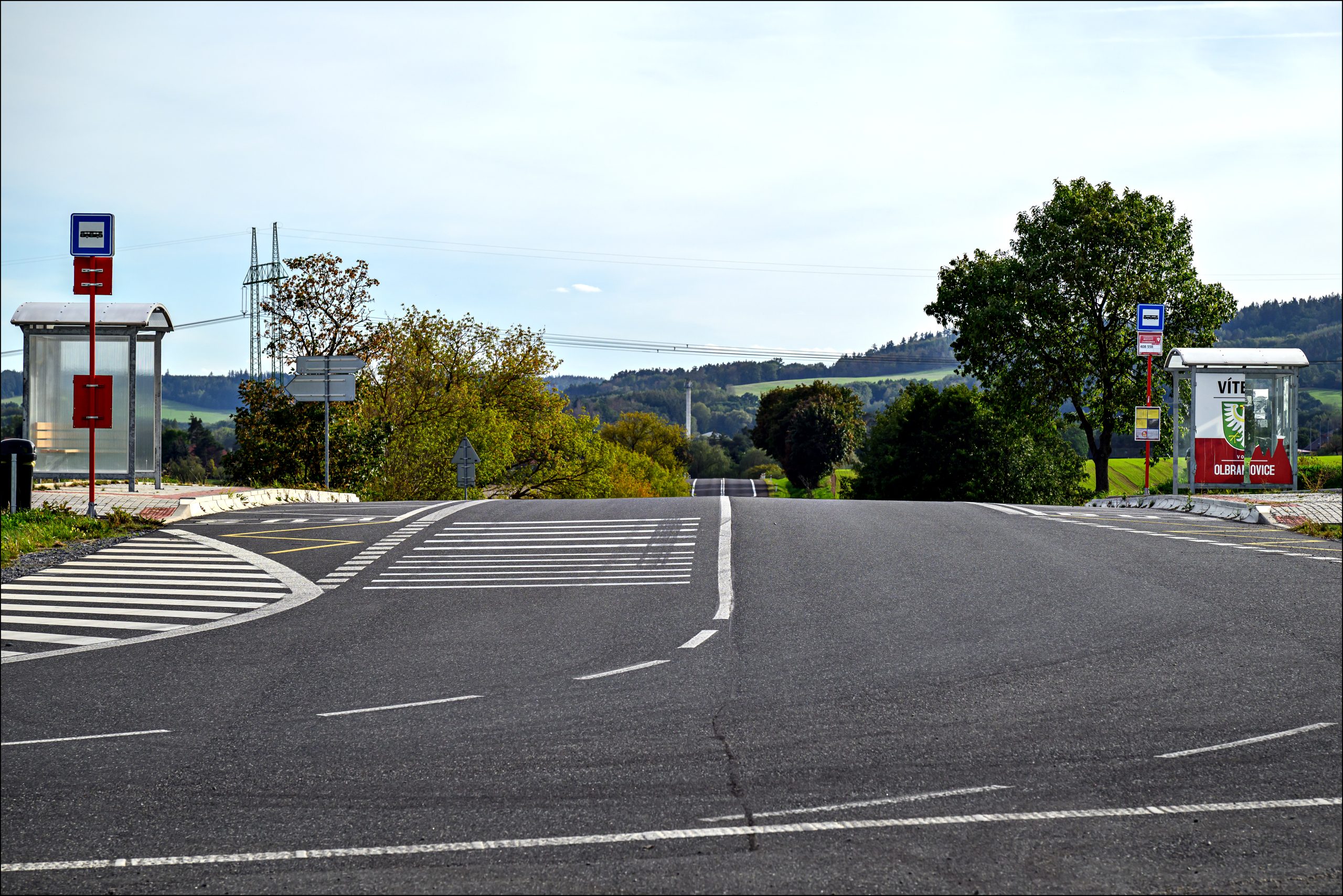
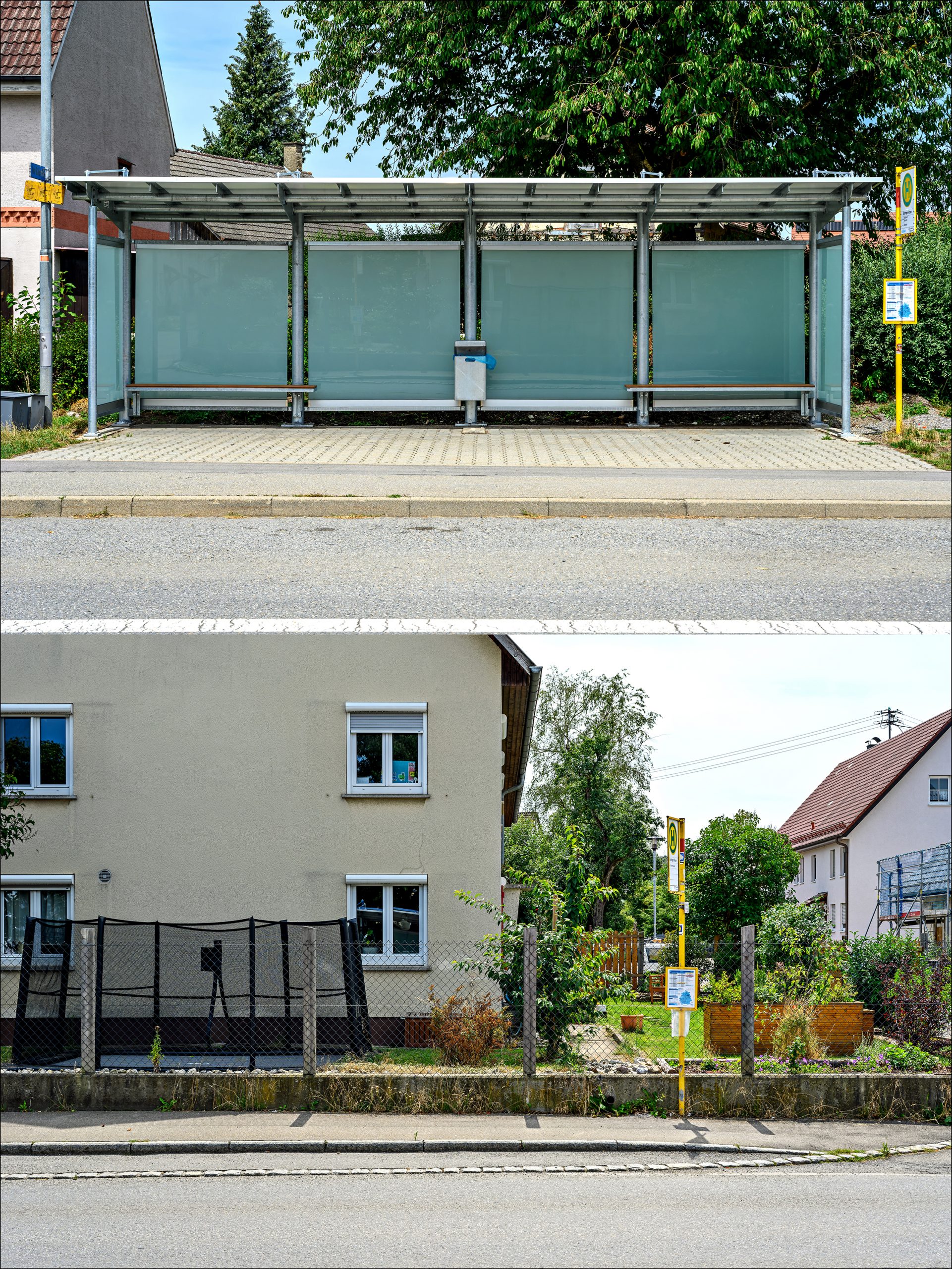
This is sometimes reflected in the design of the facilities. The side of the bus stop from which buses depart – into the town – usually has a shelter, as waiting for the bus requires passengers to linger and are exposed to the weather. Whereas in the opposite direction there is often only a bus stop sign, because those arriving from the town hurry on without delay.

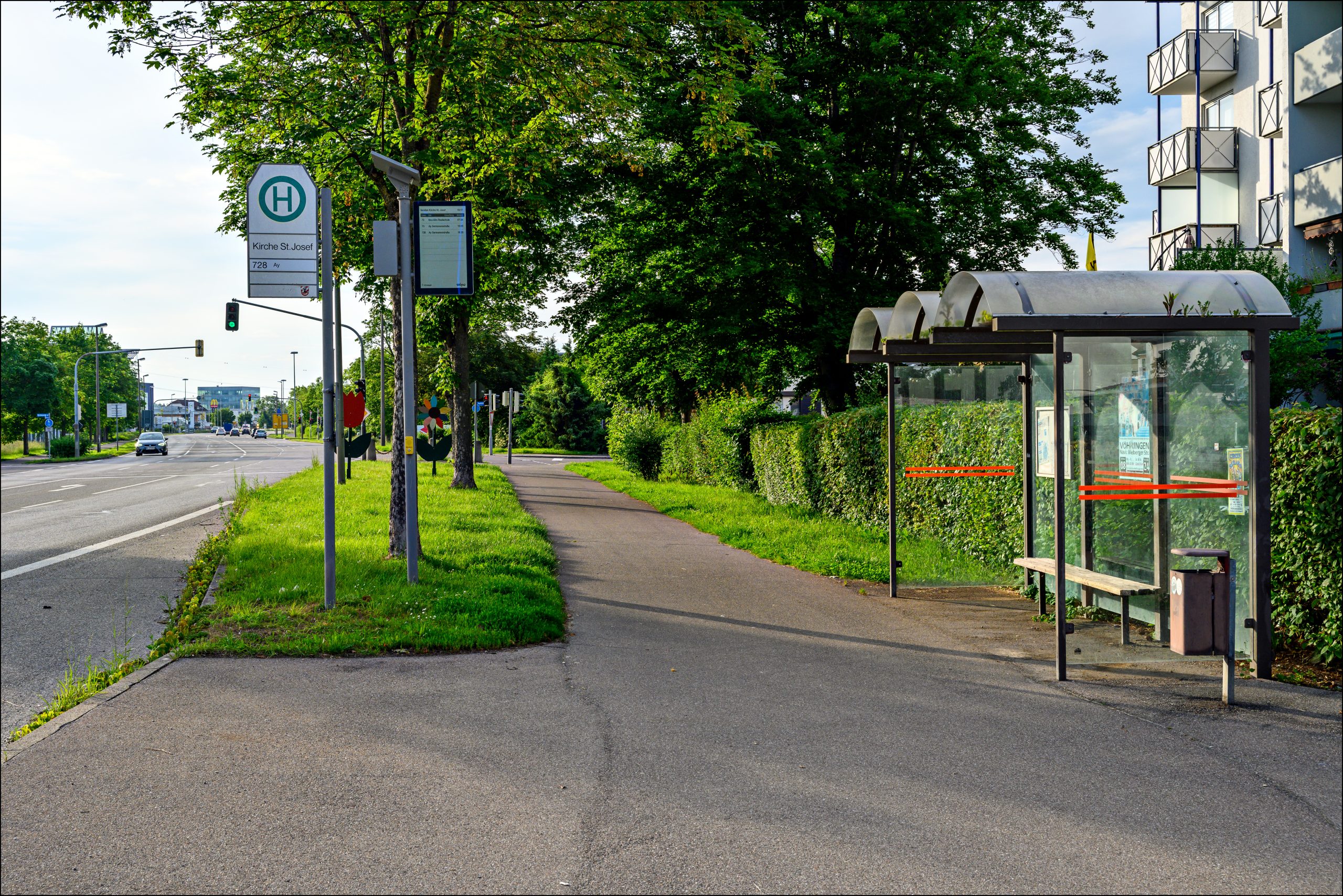
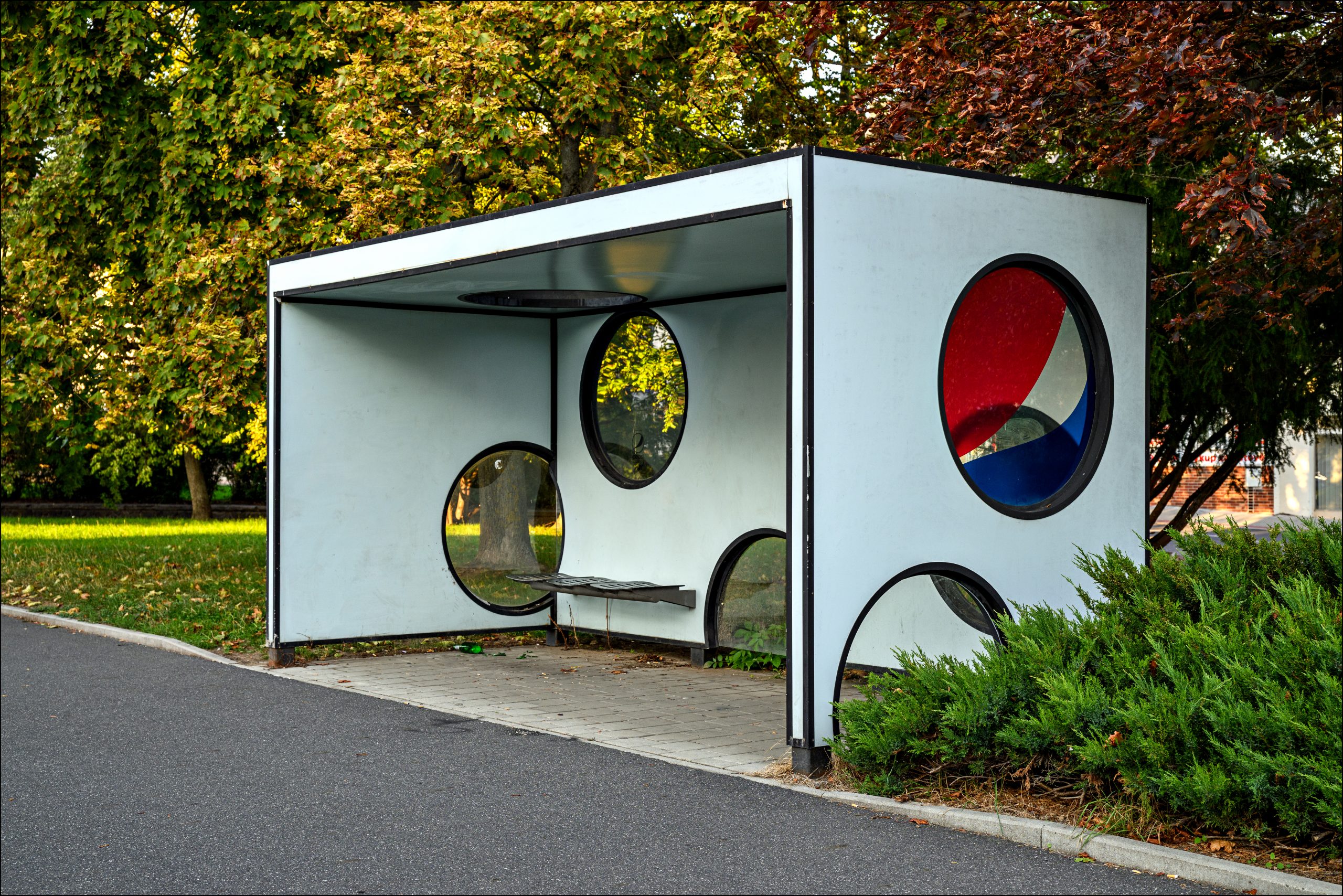
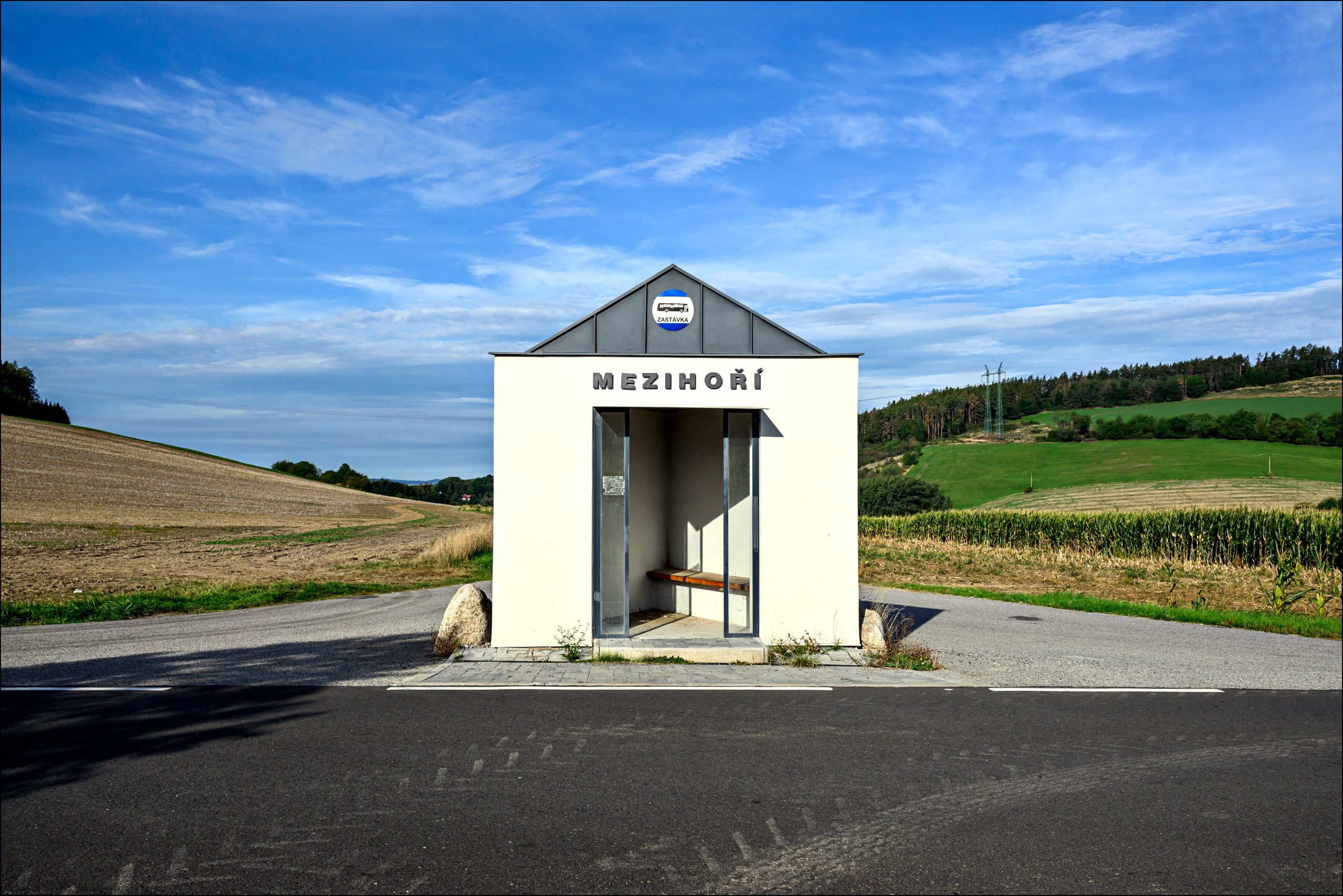
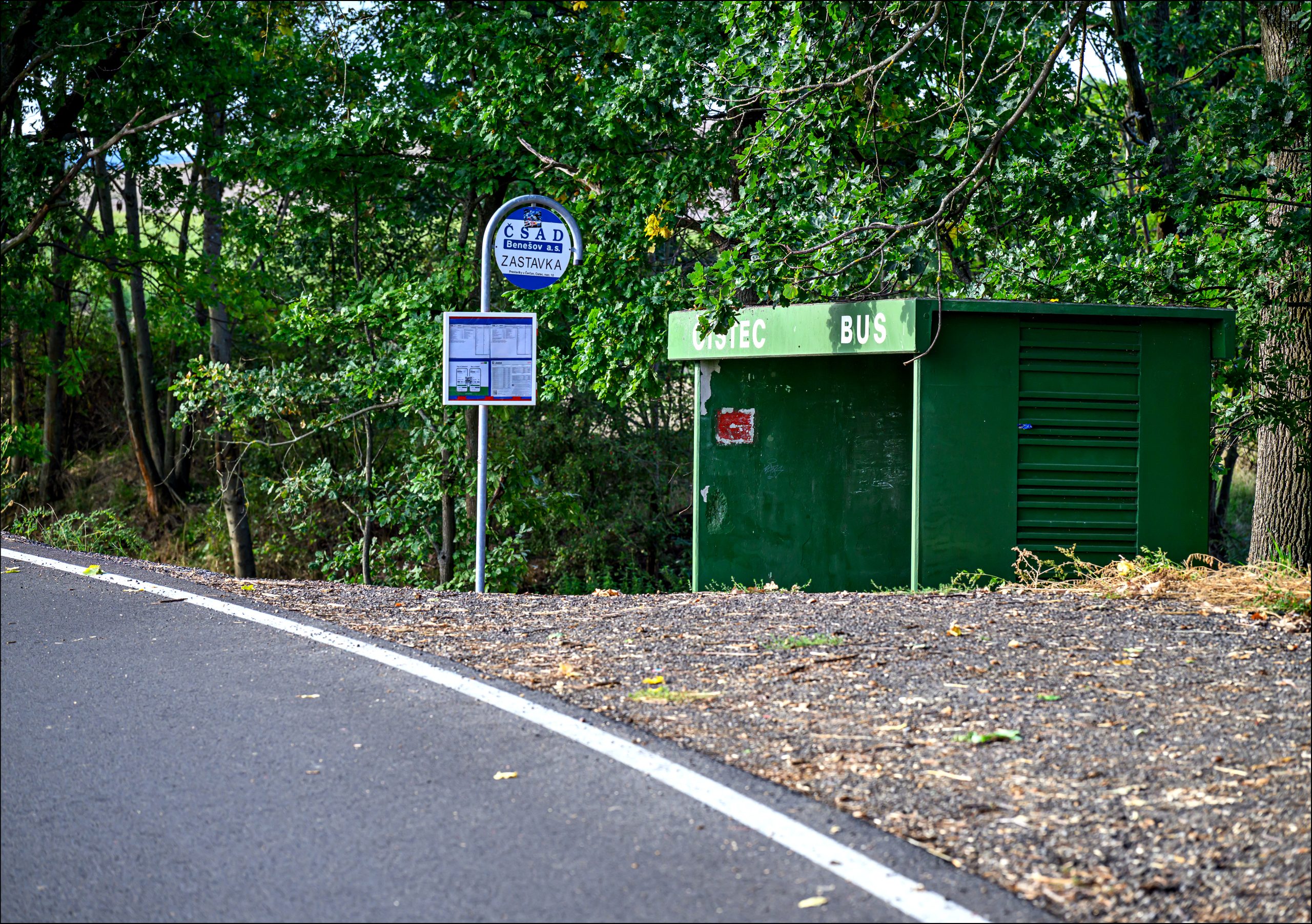
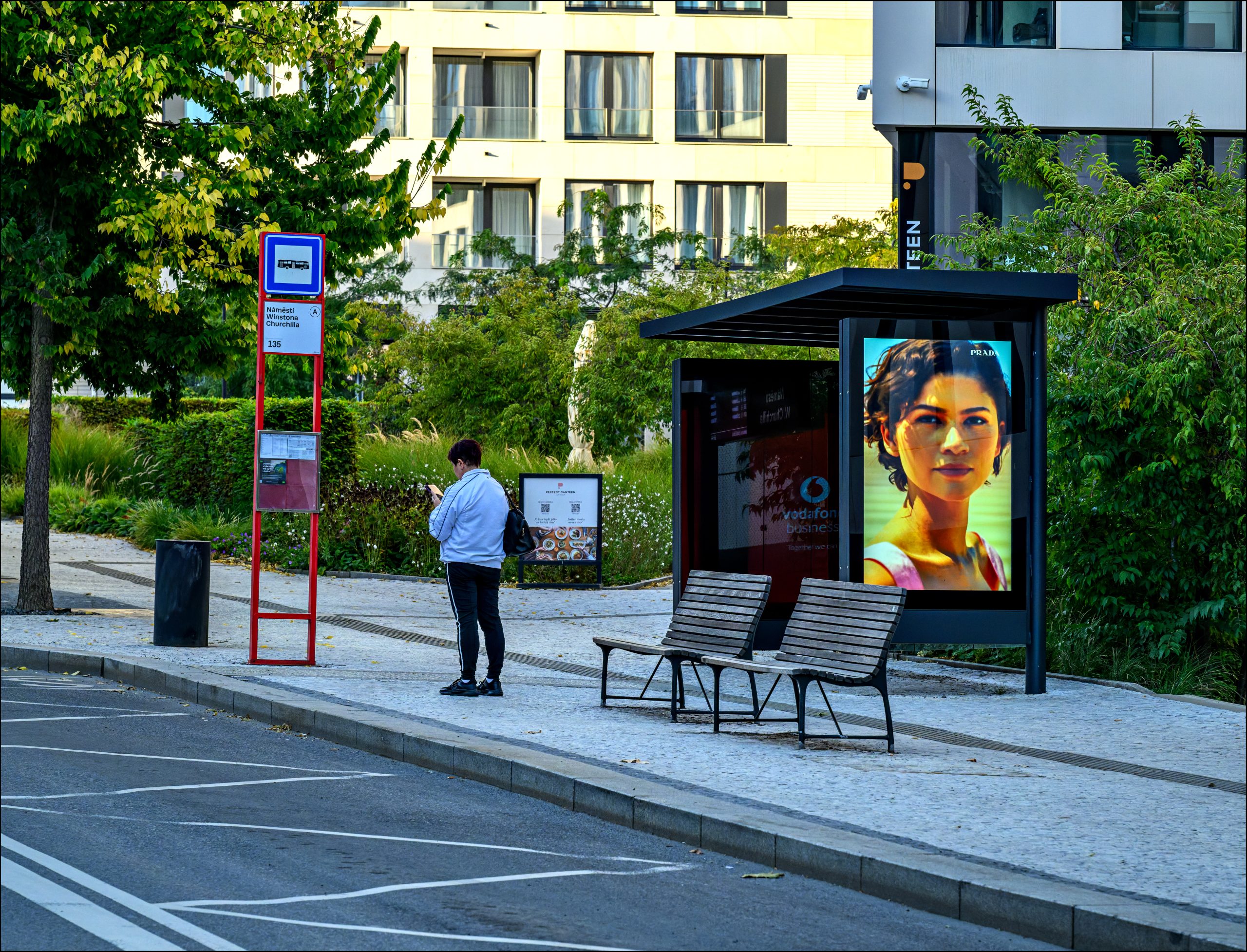
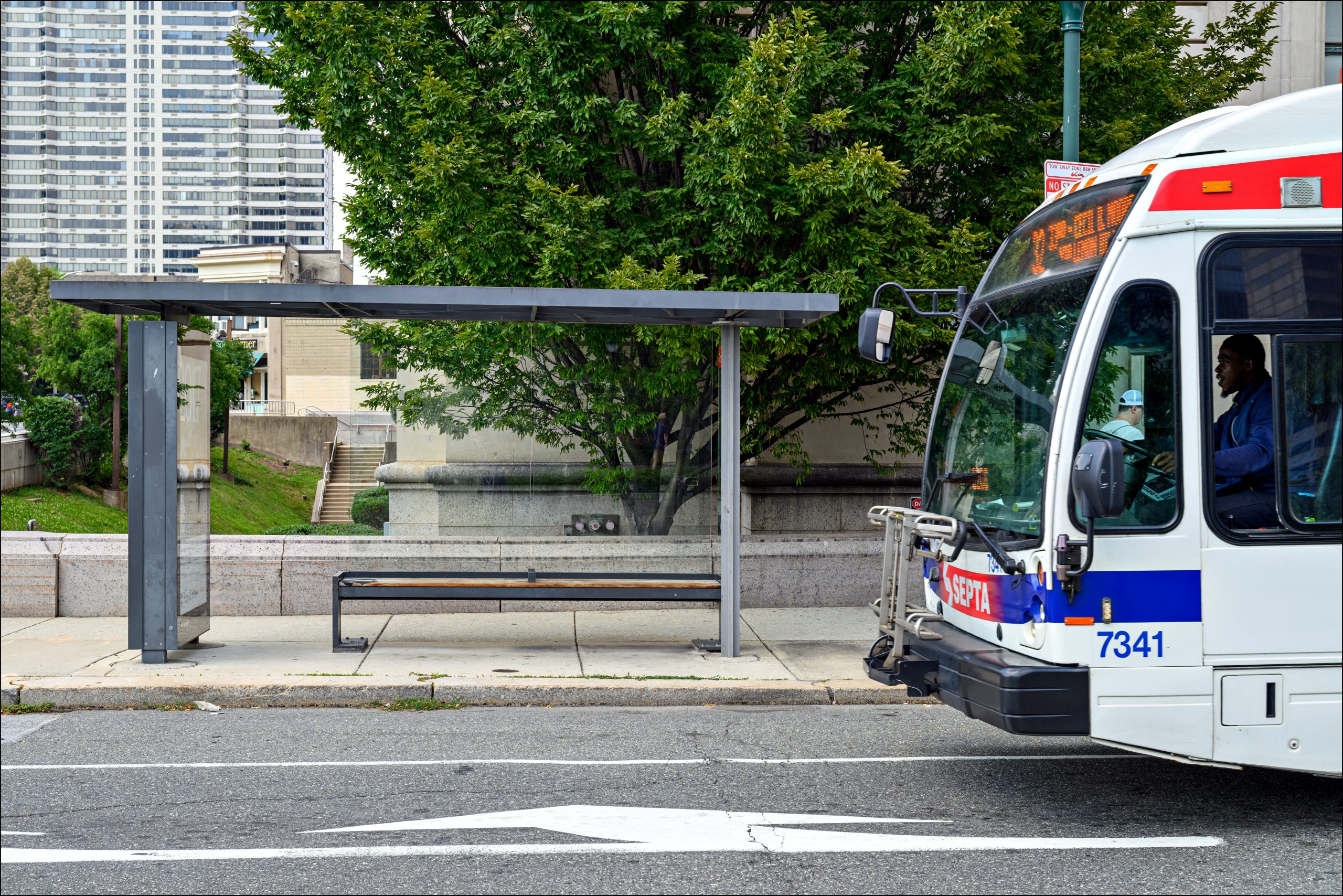
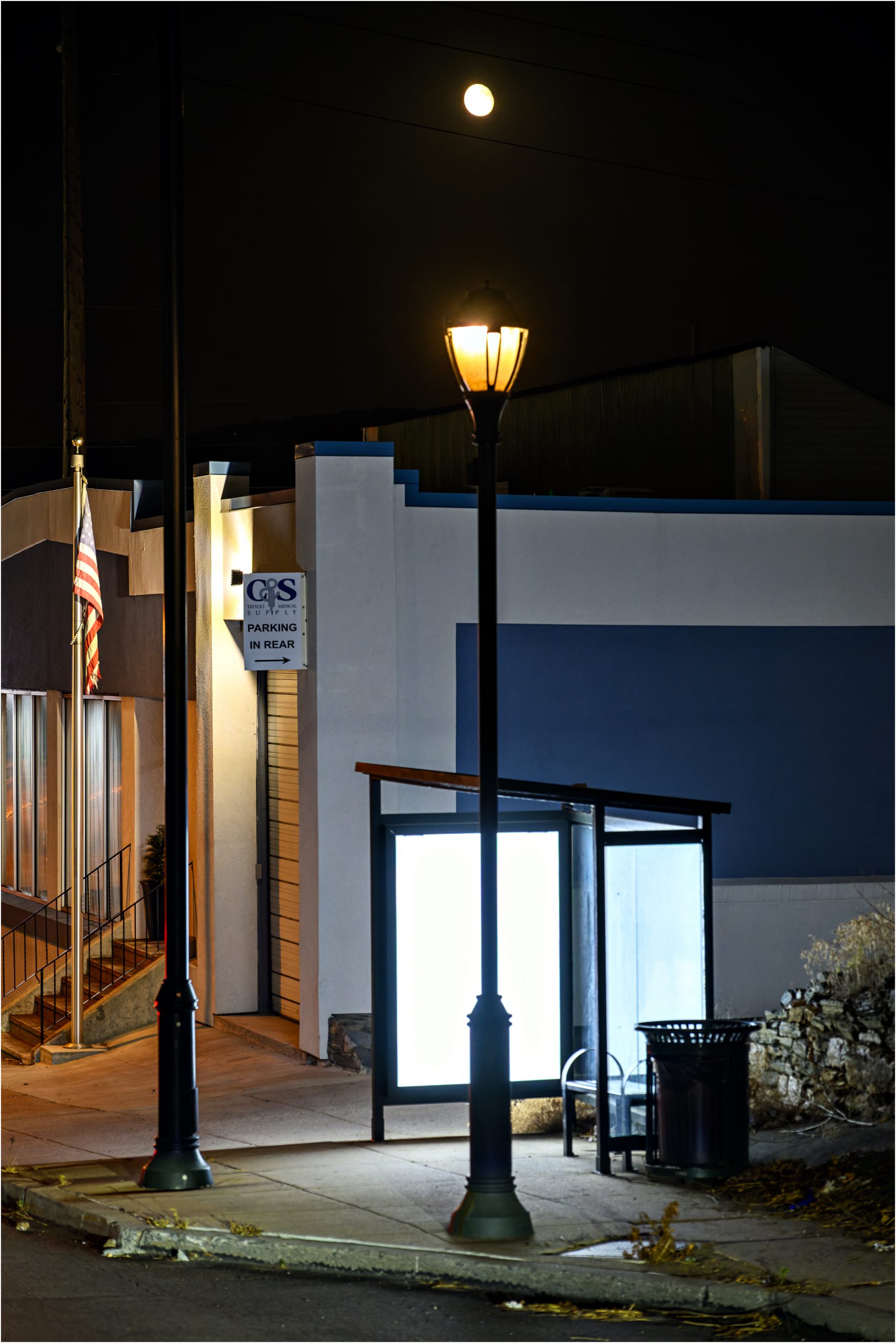
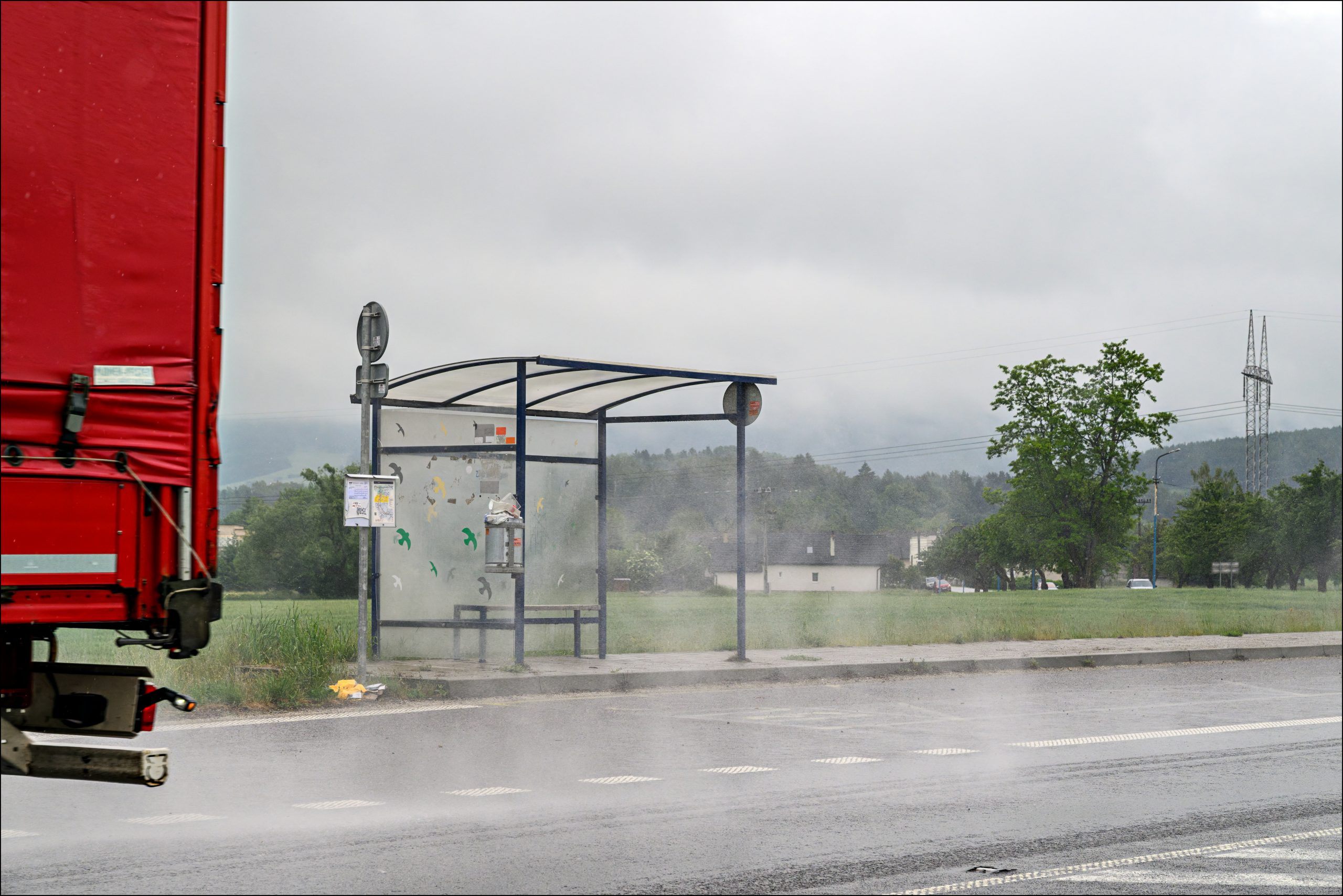
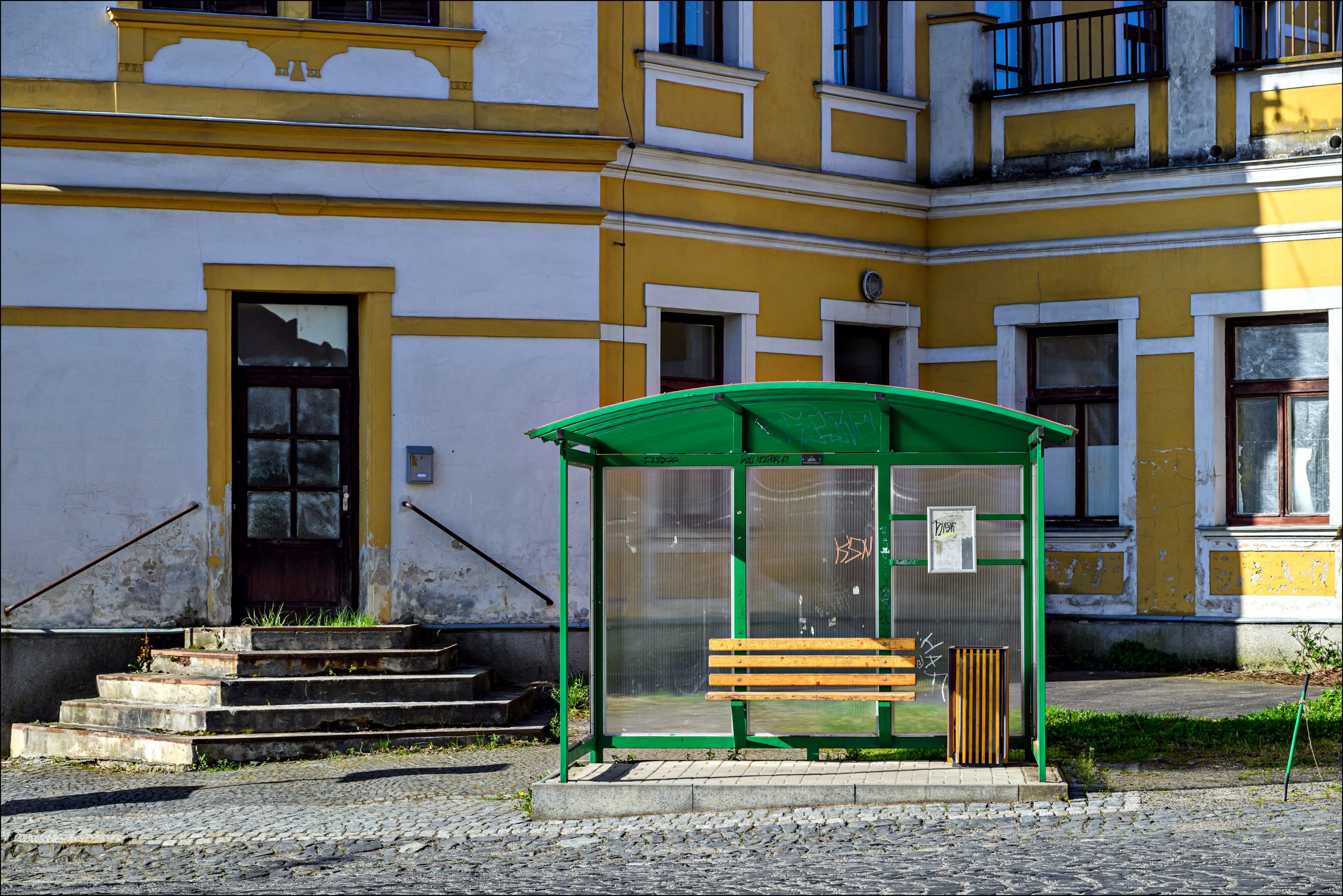
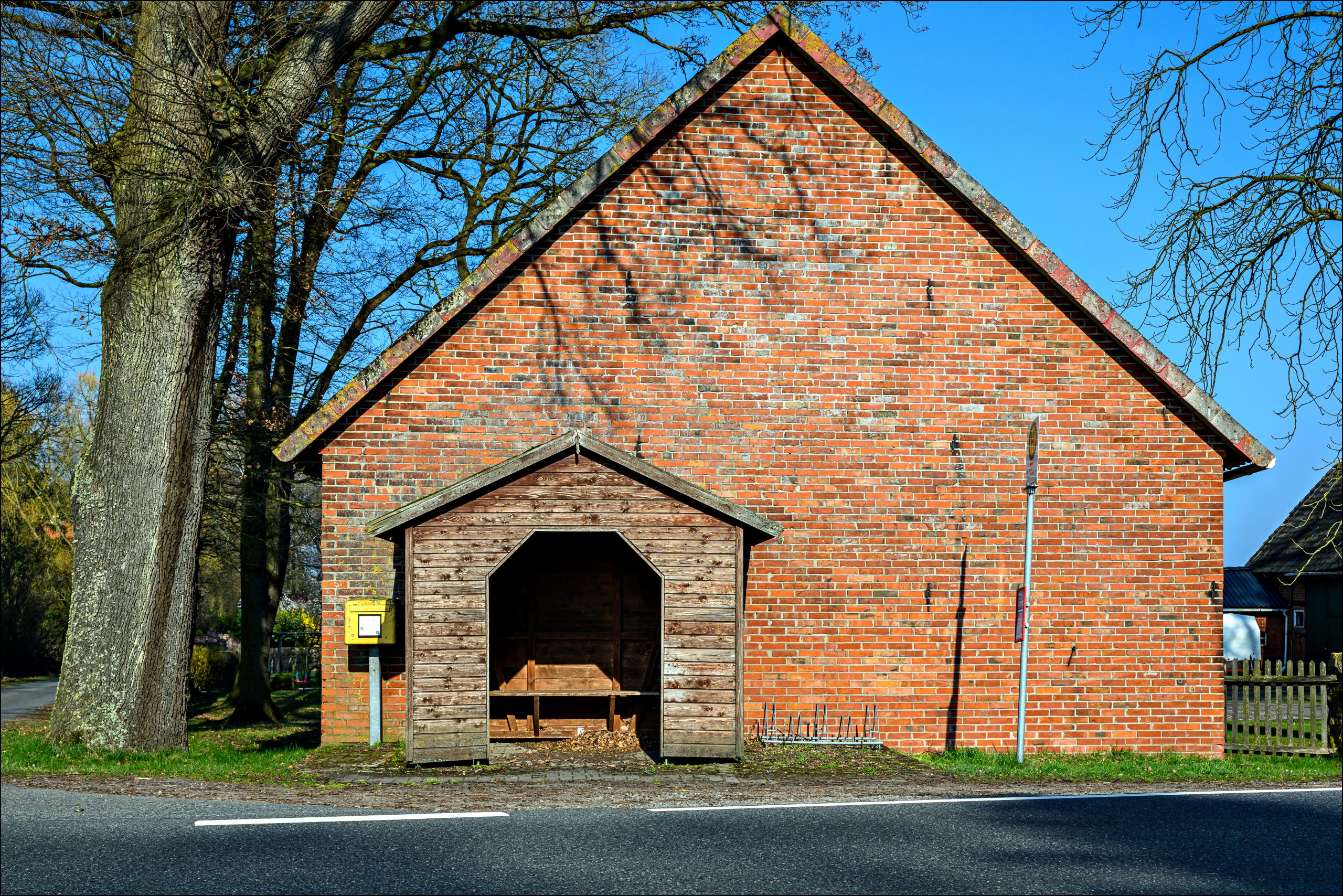
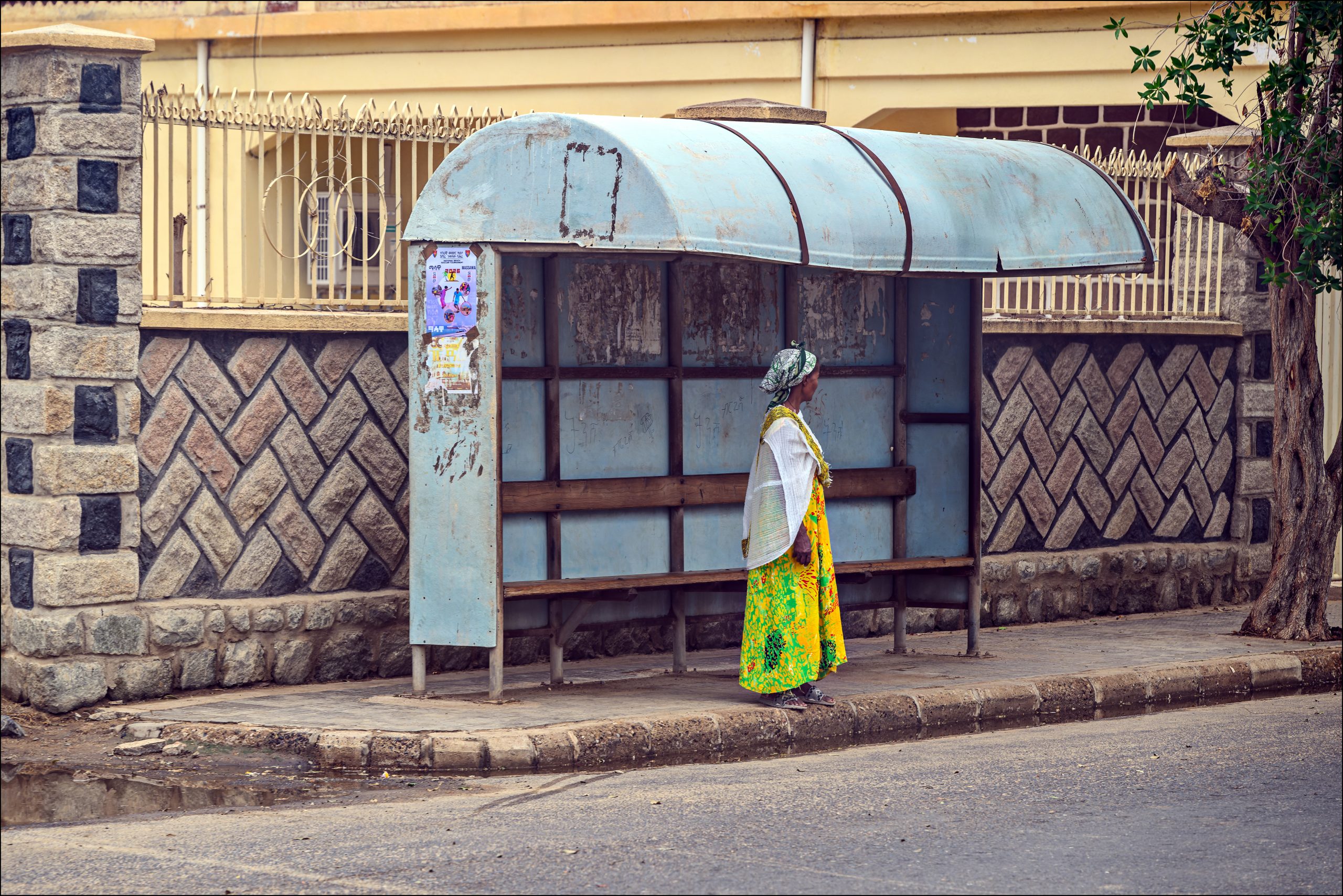
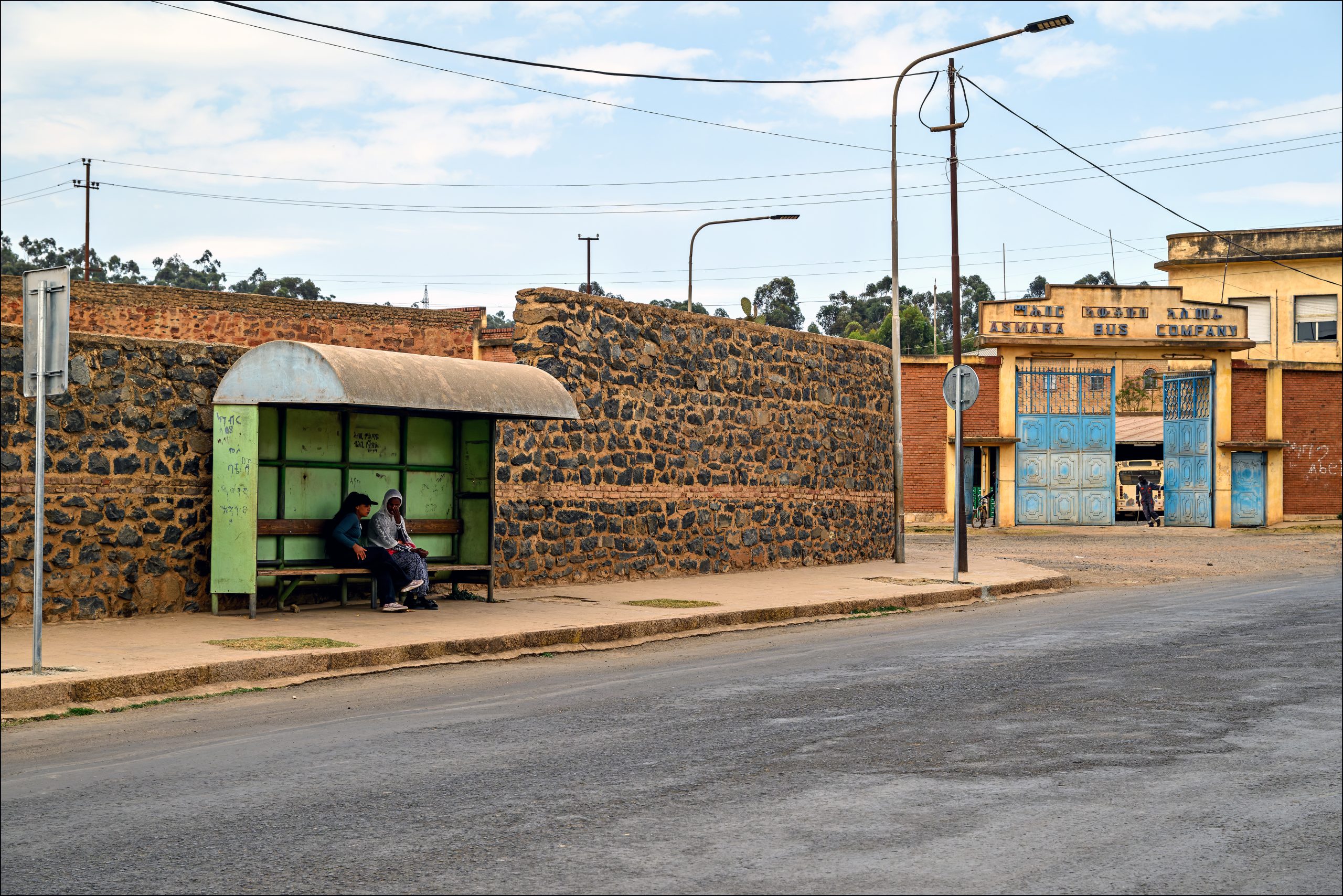
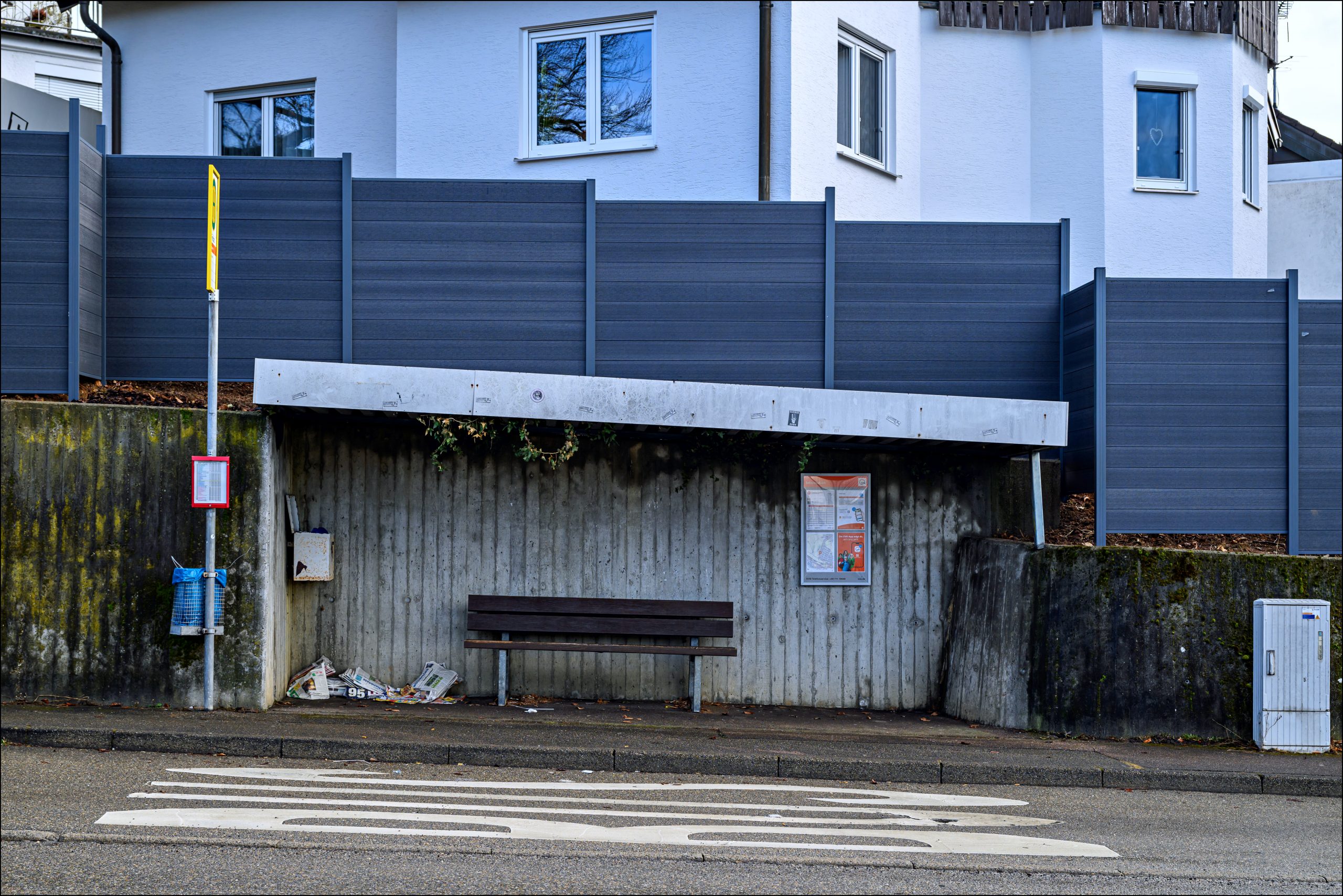
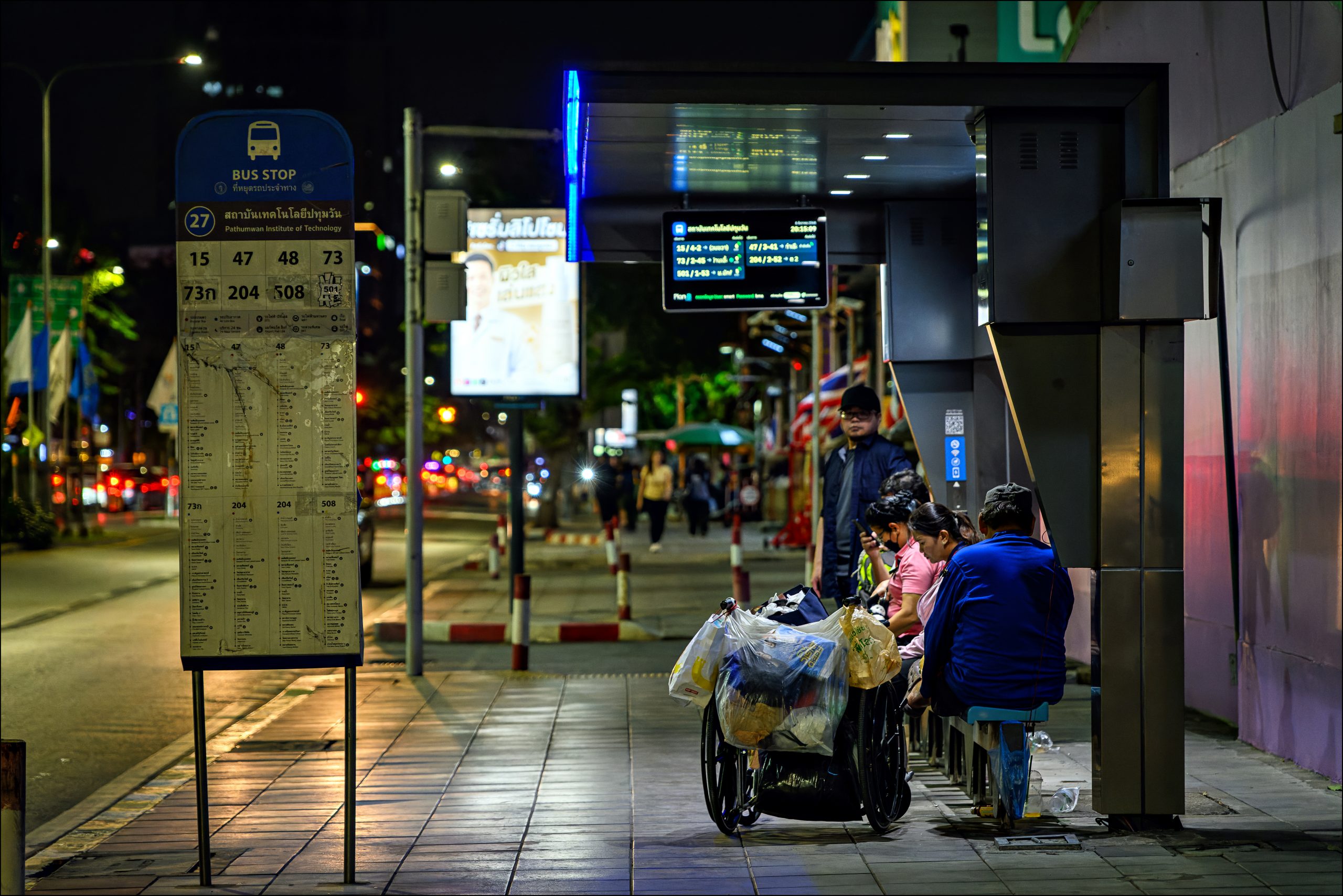
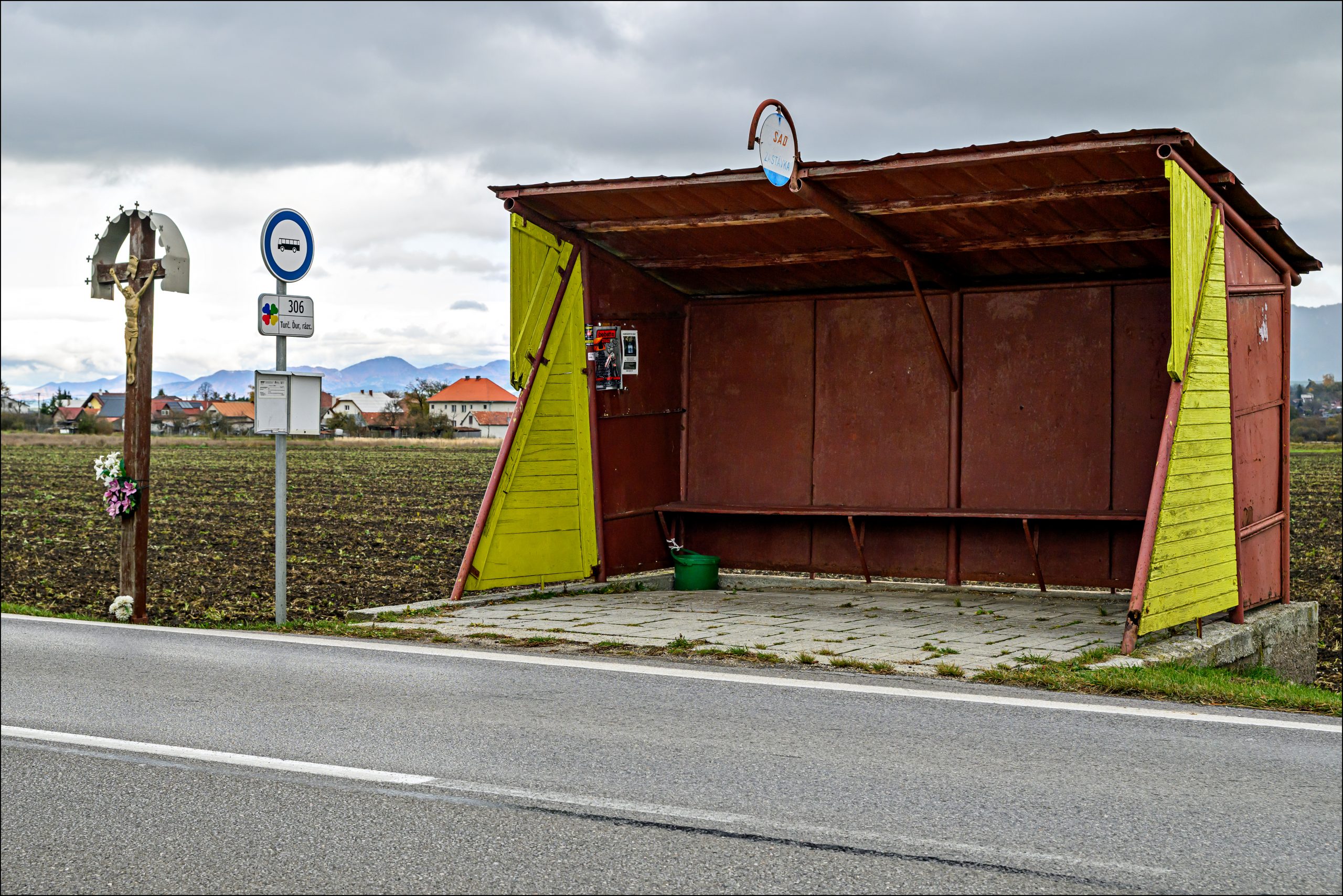
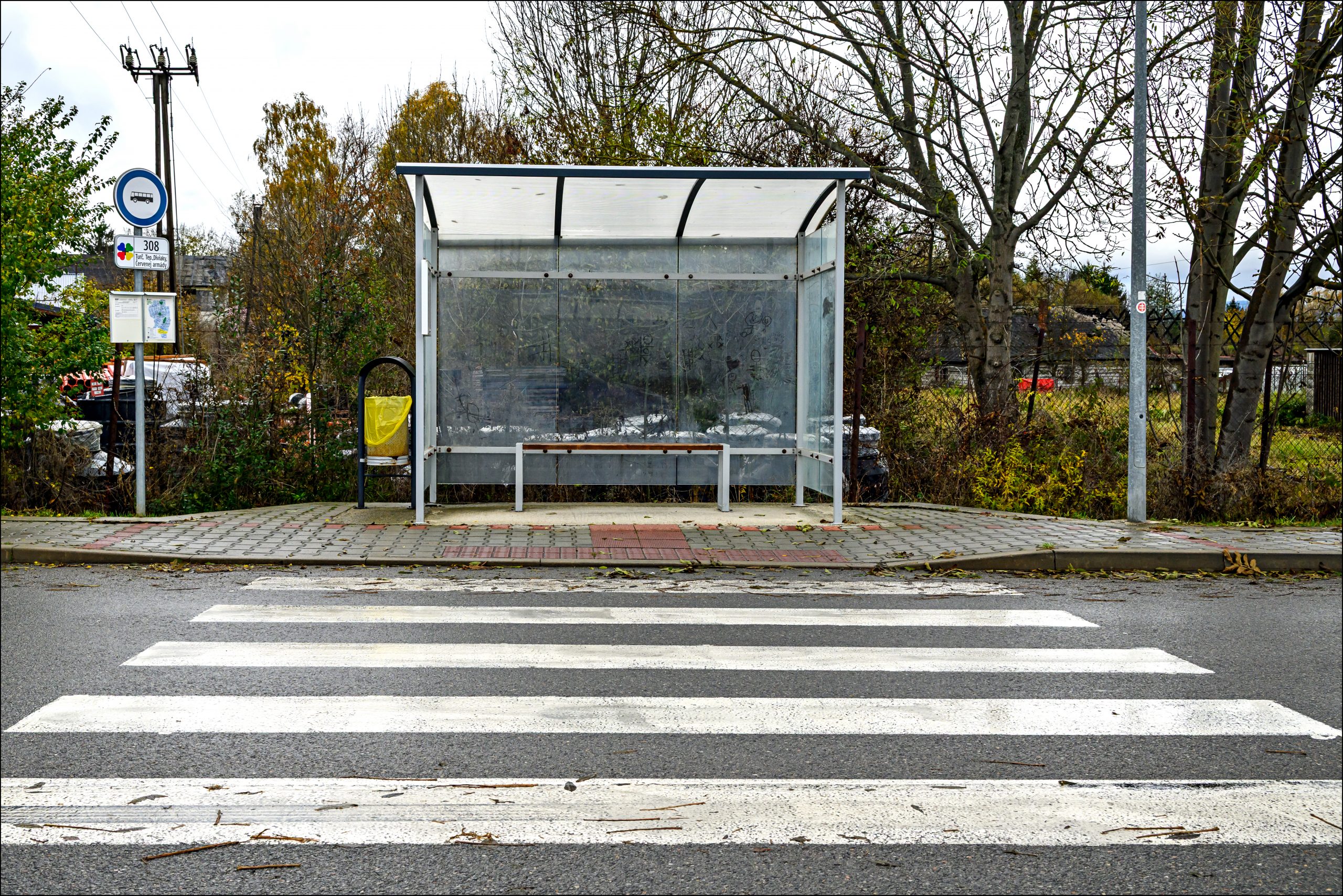
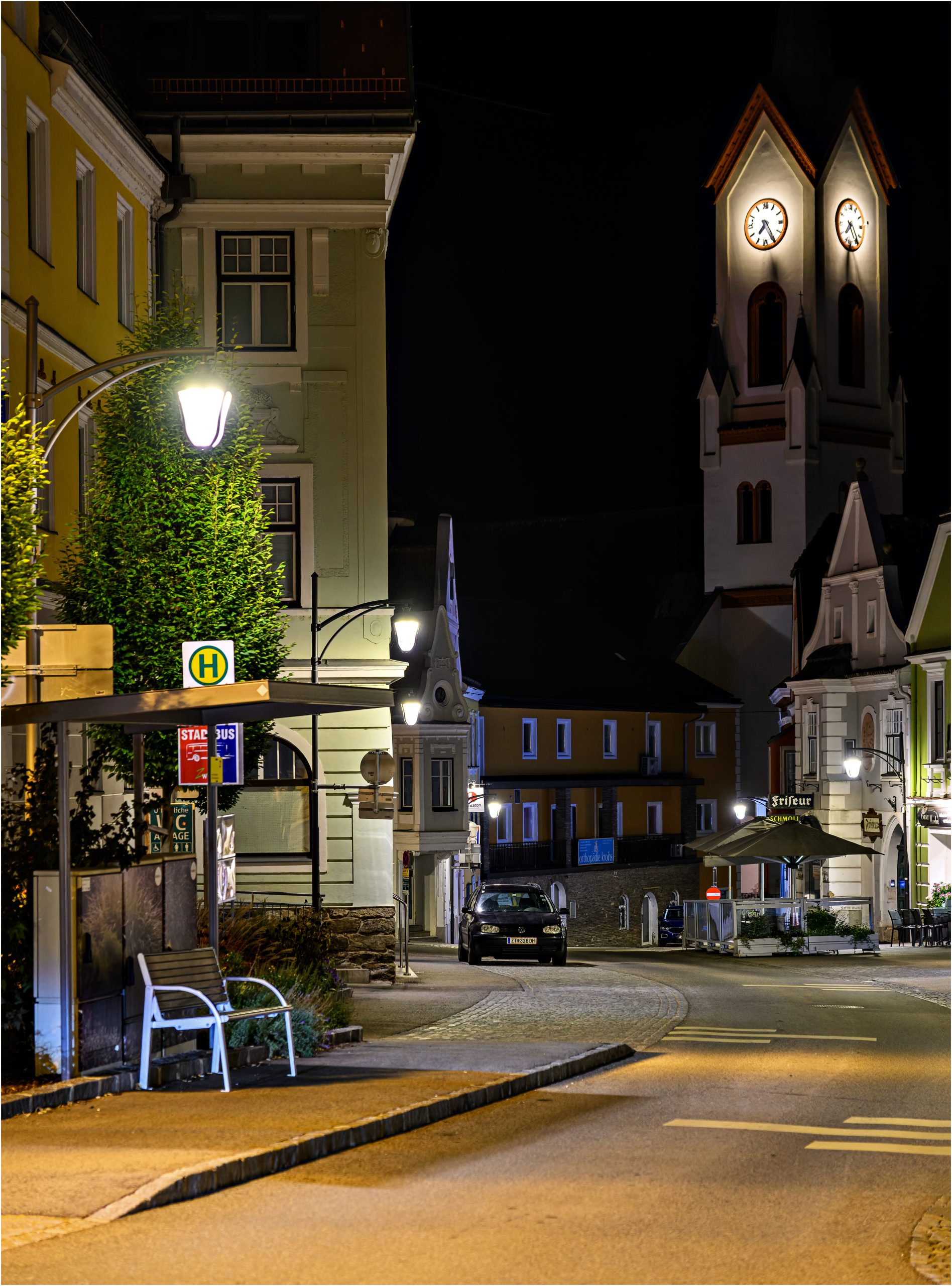

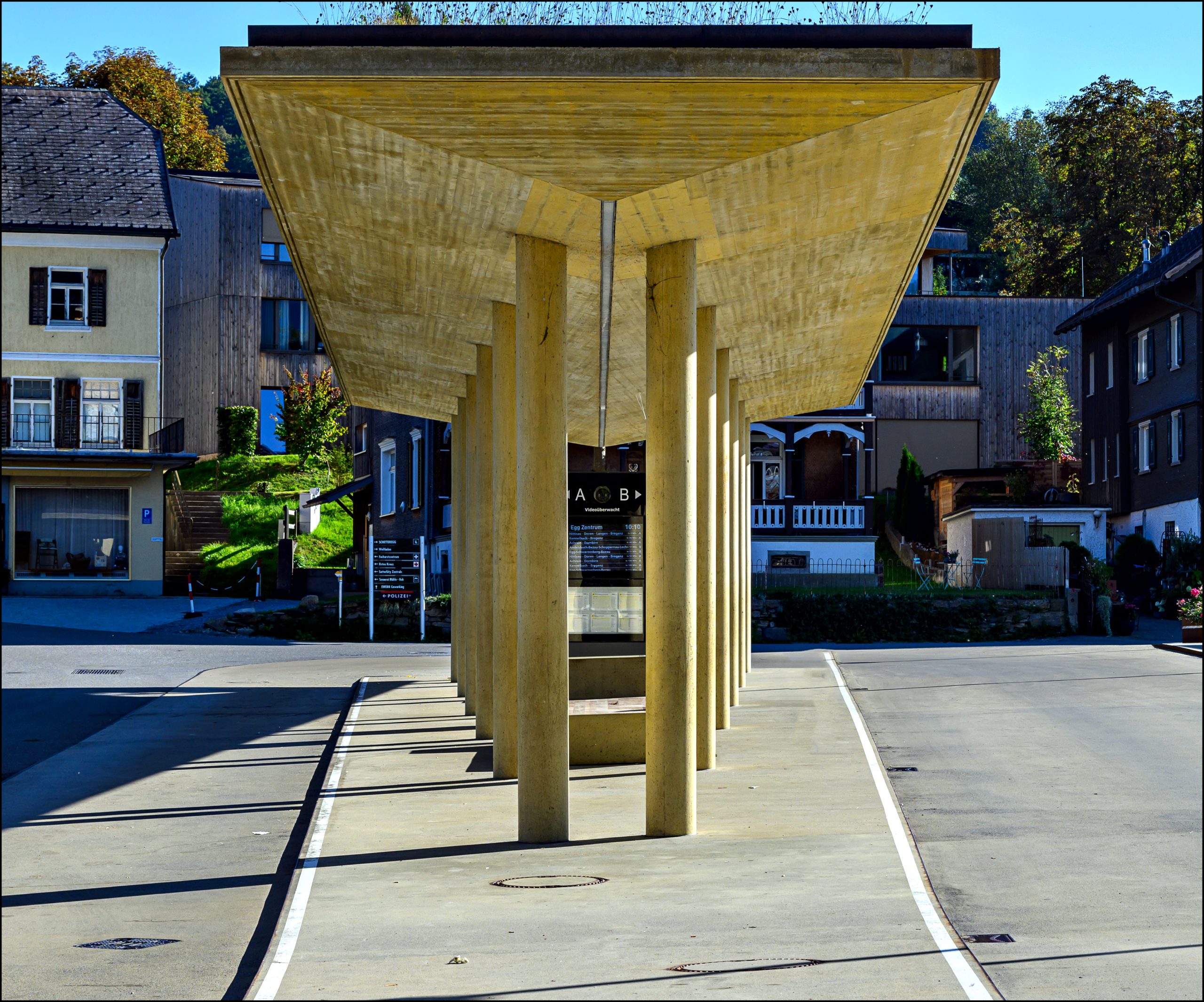
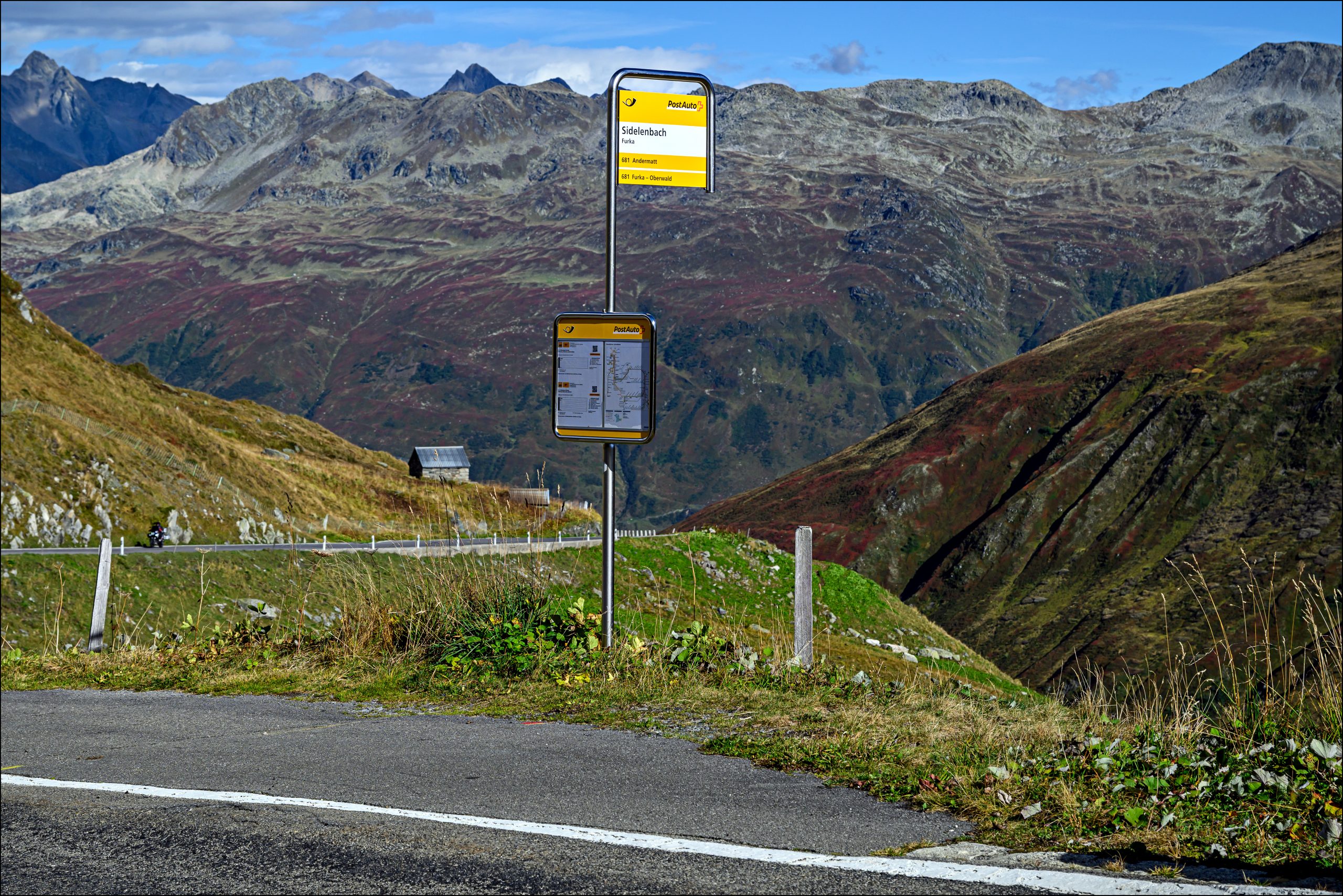
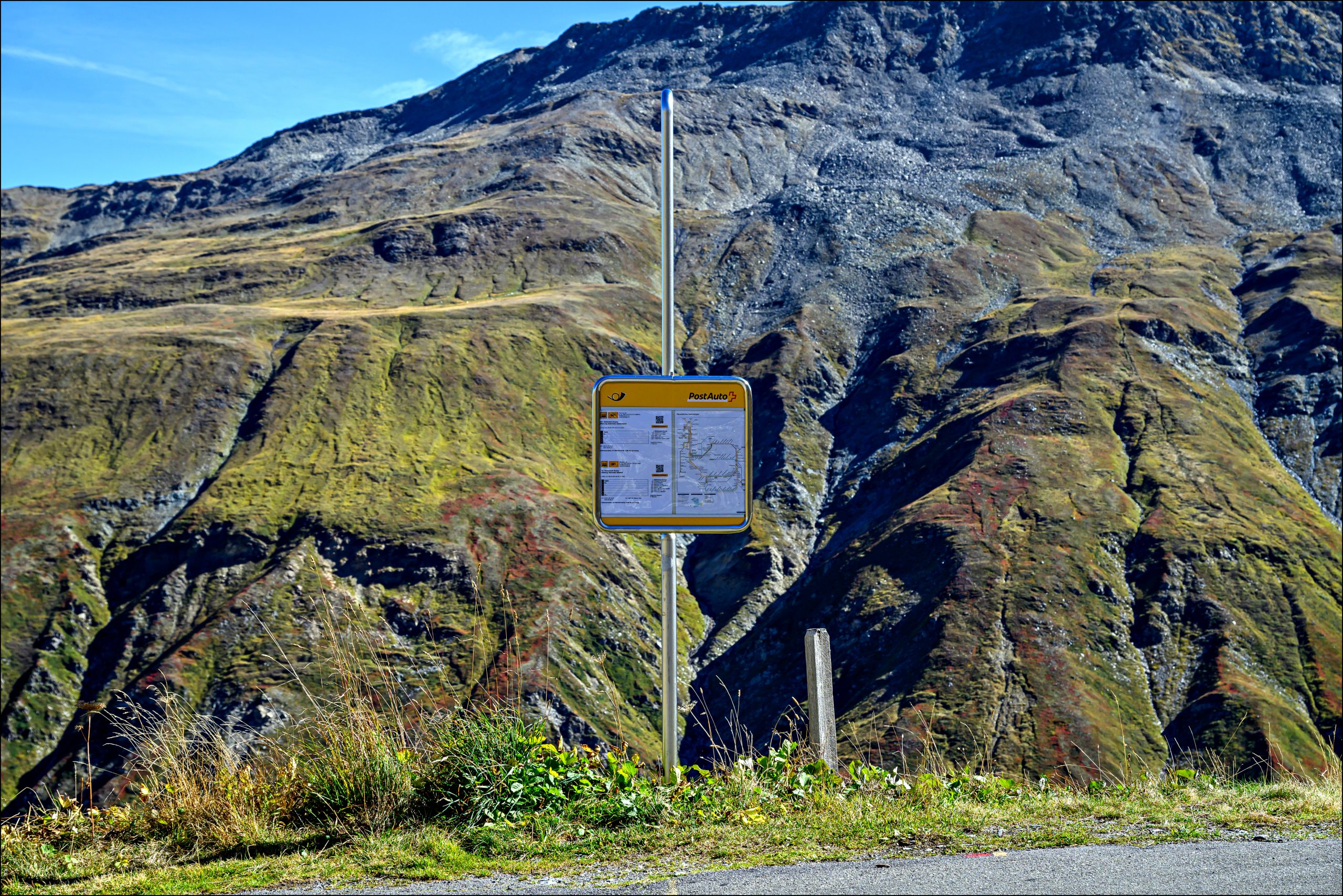





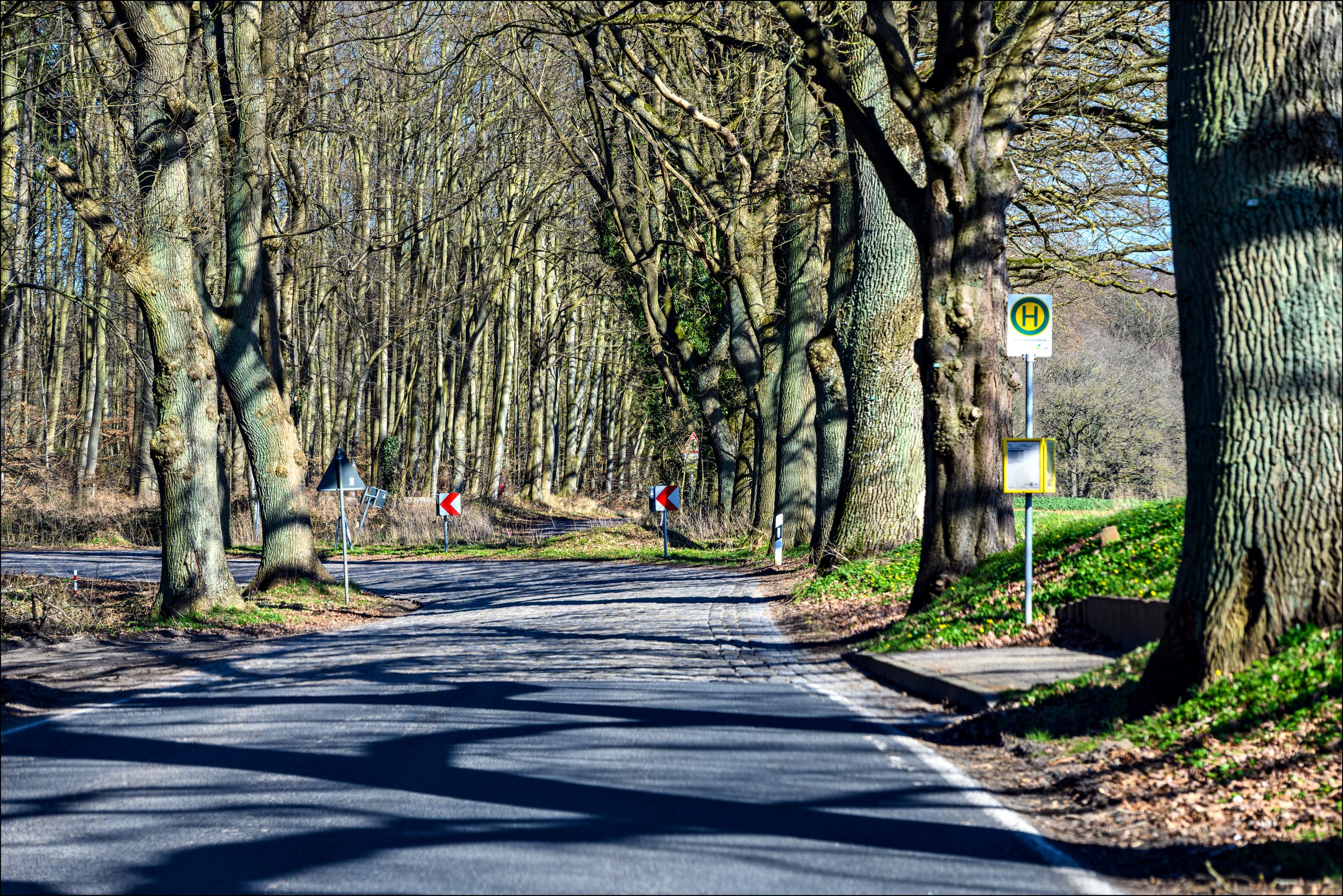


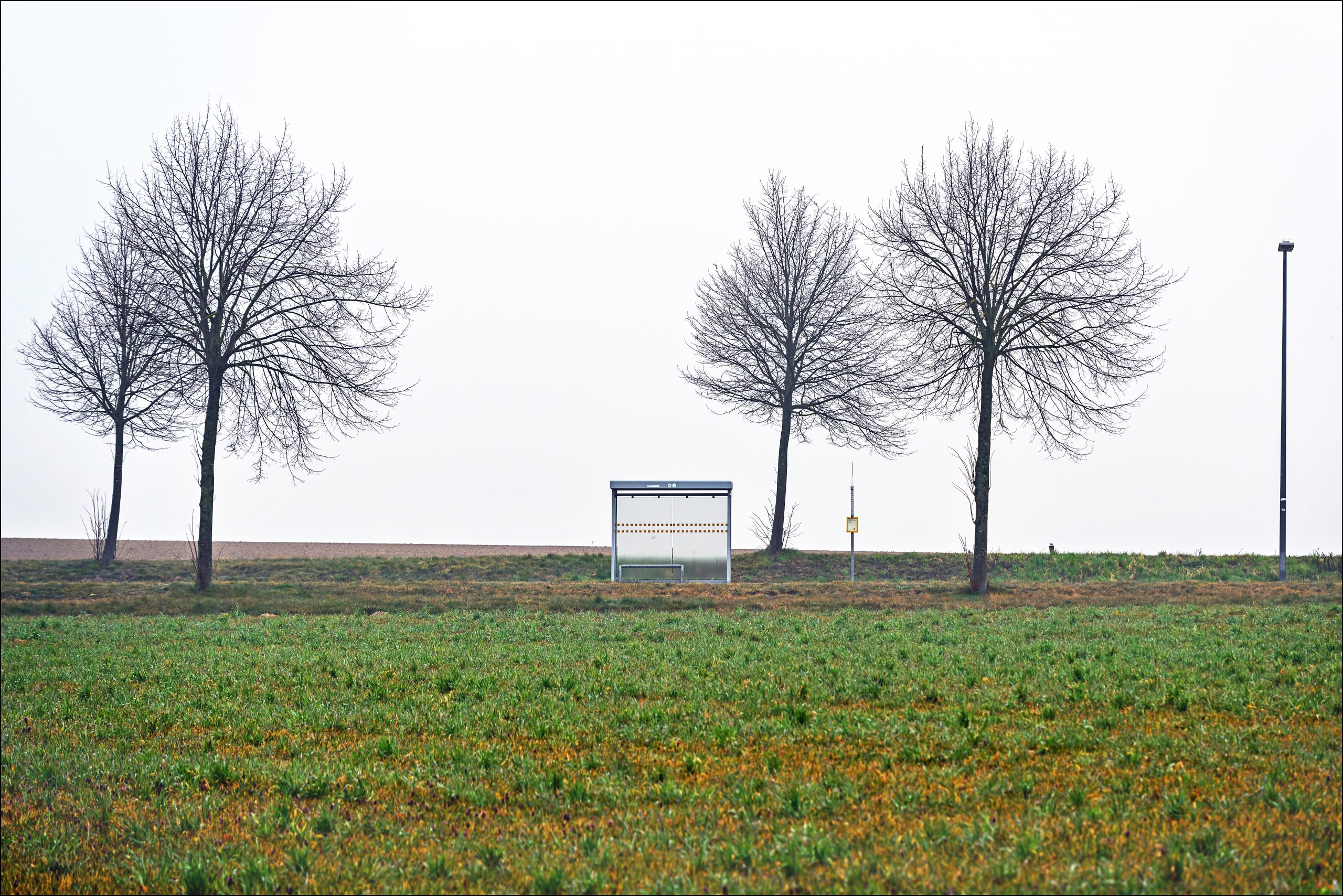
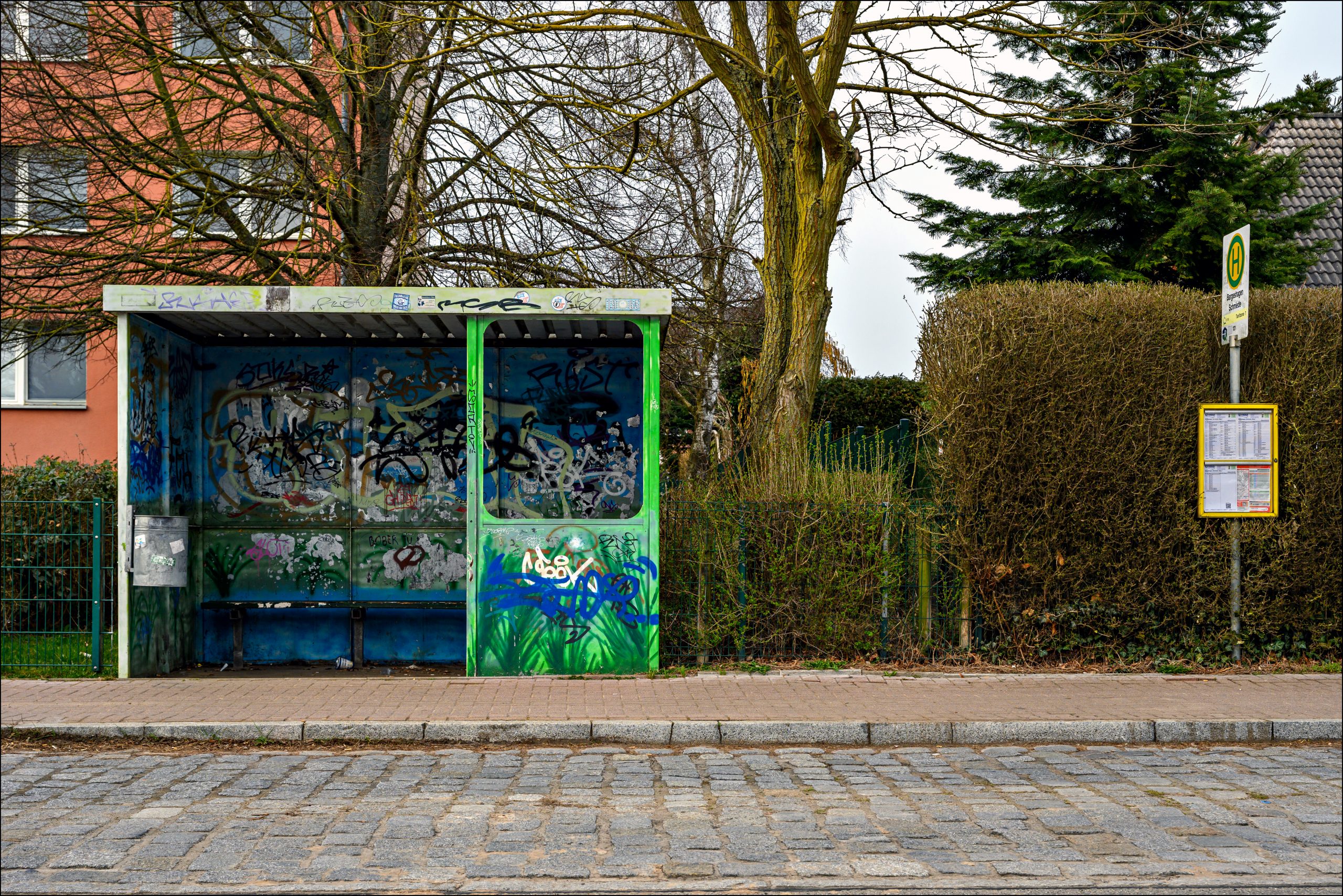


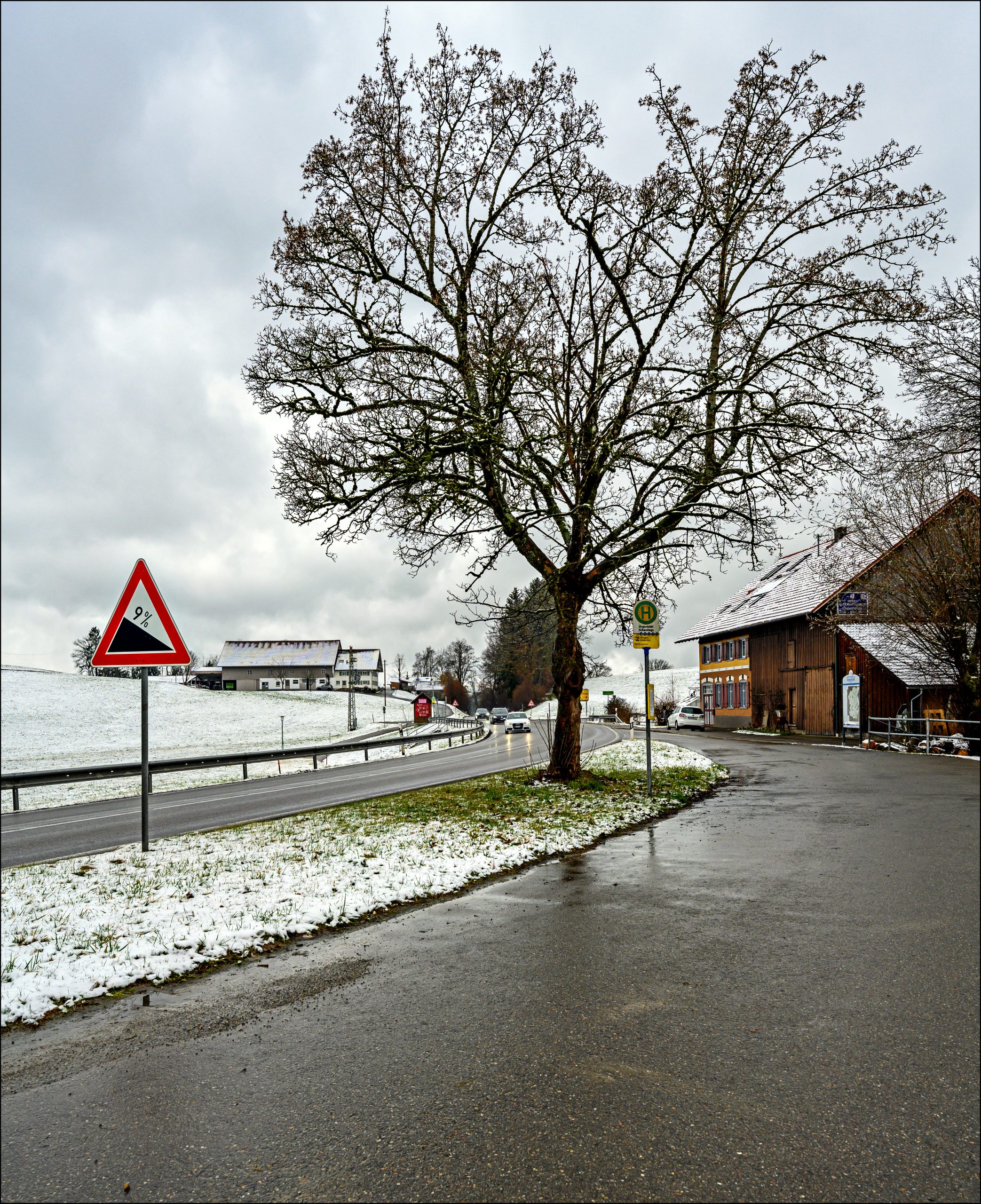
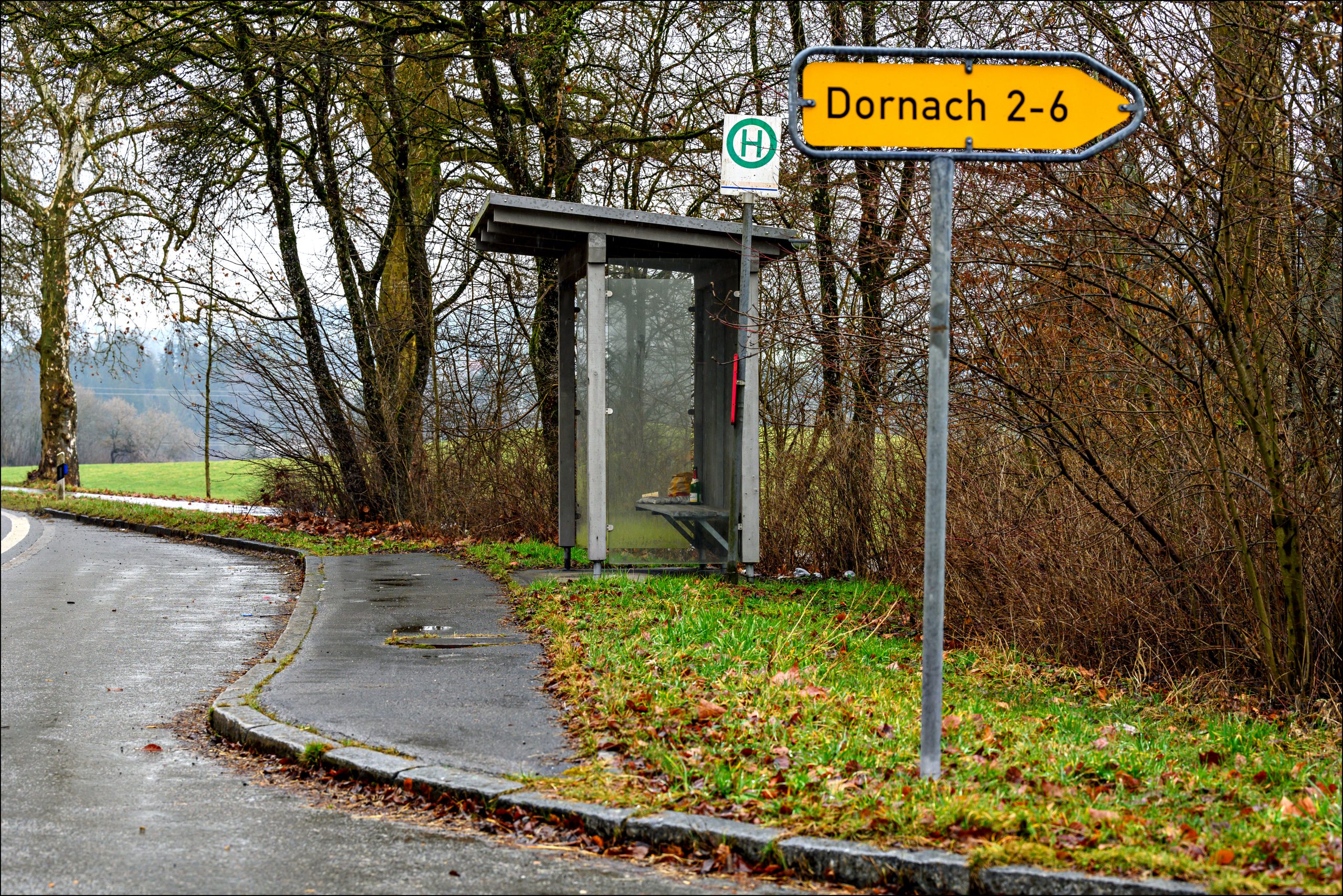

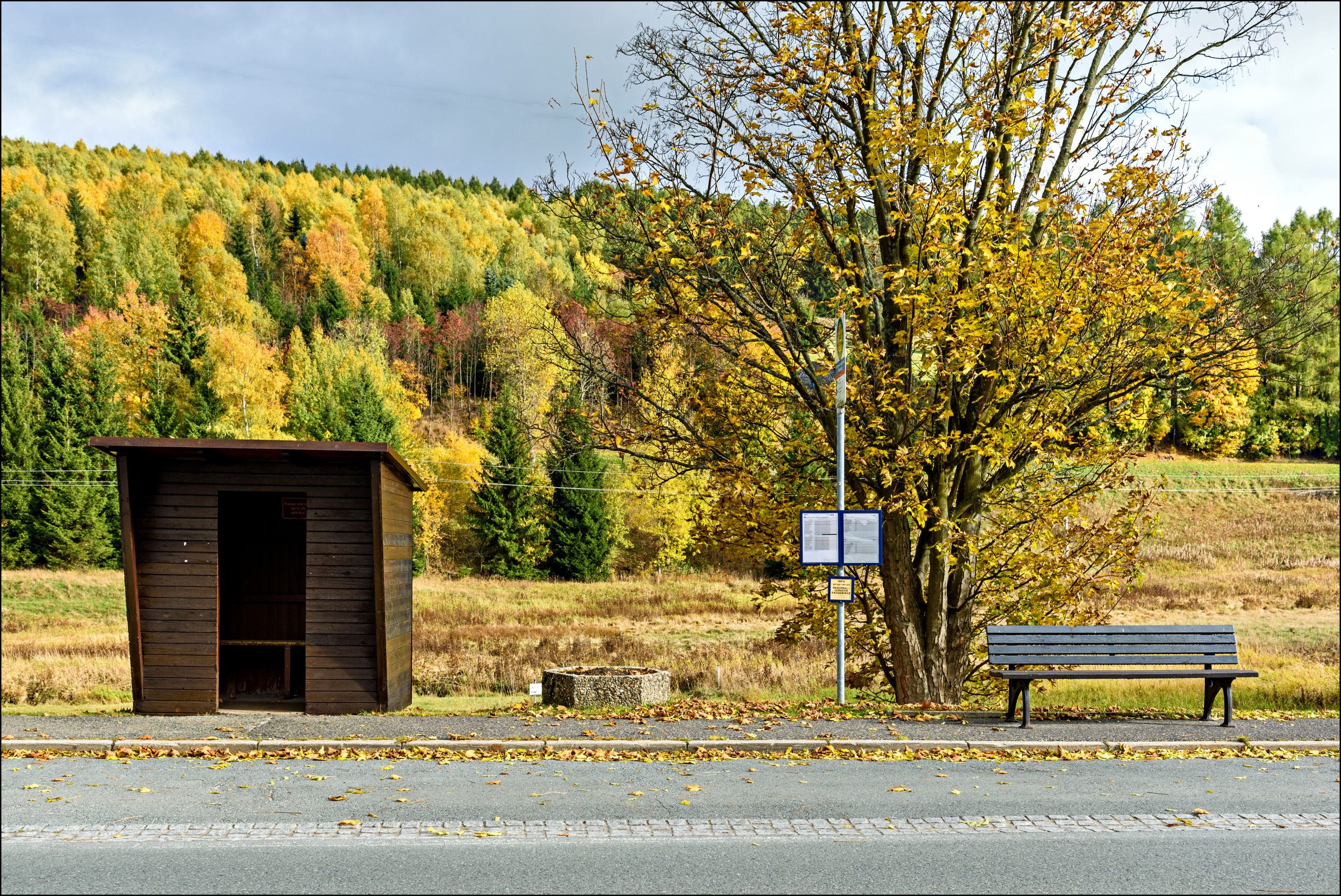

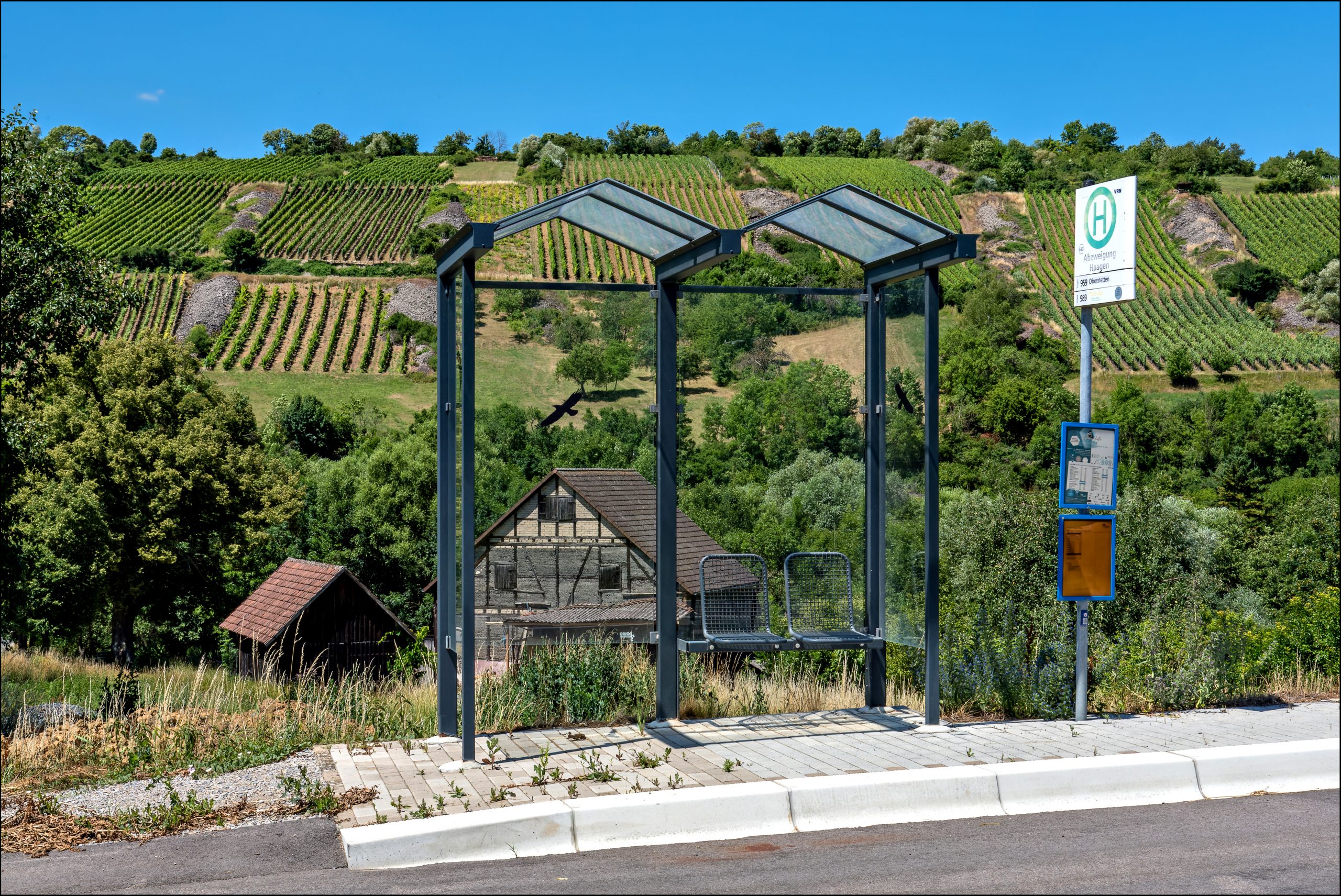


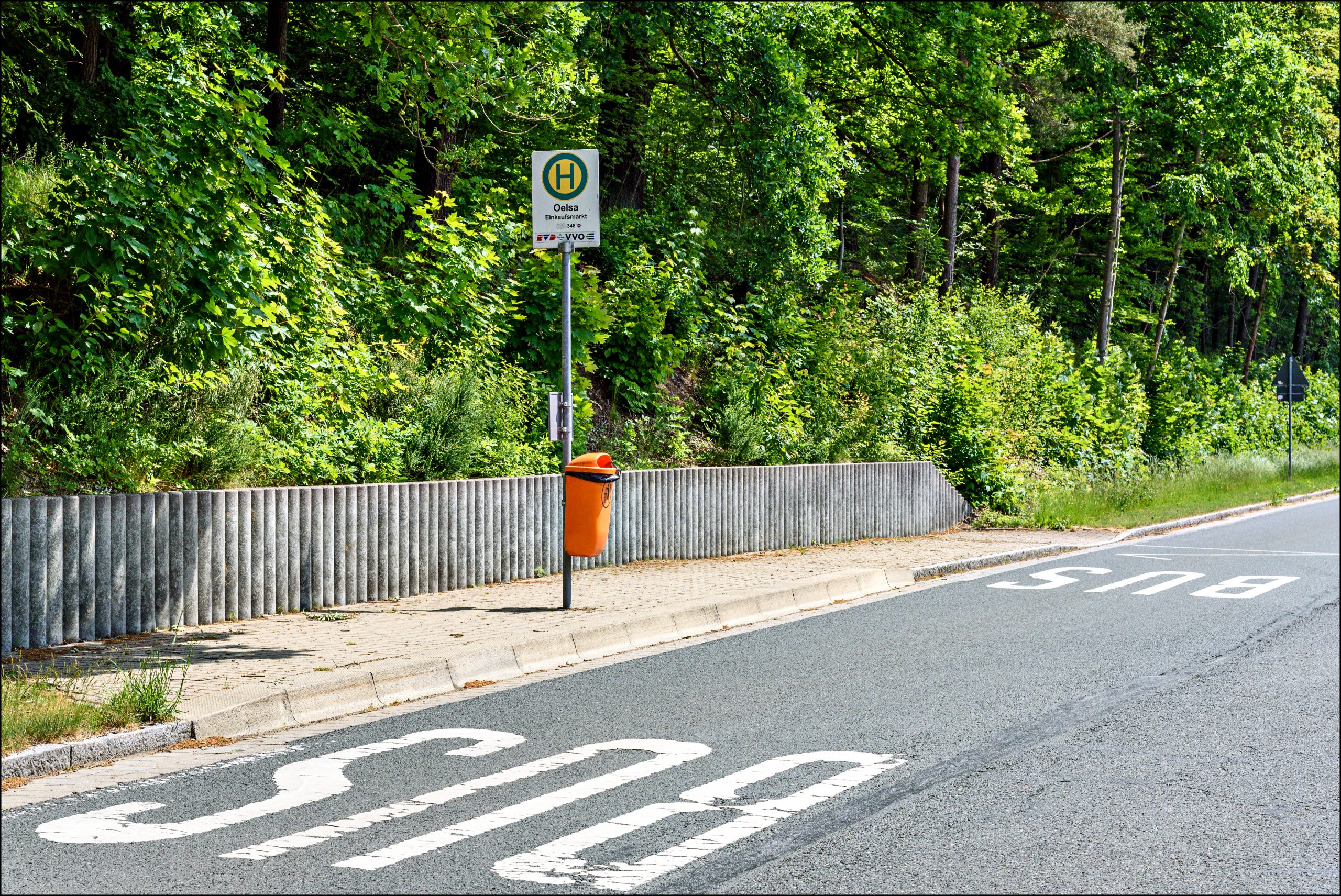


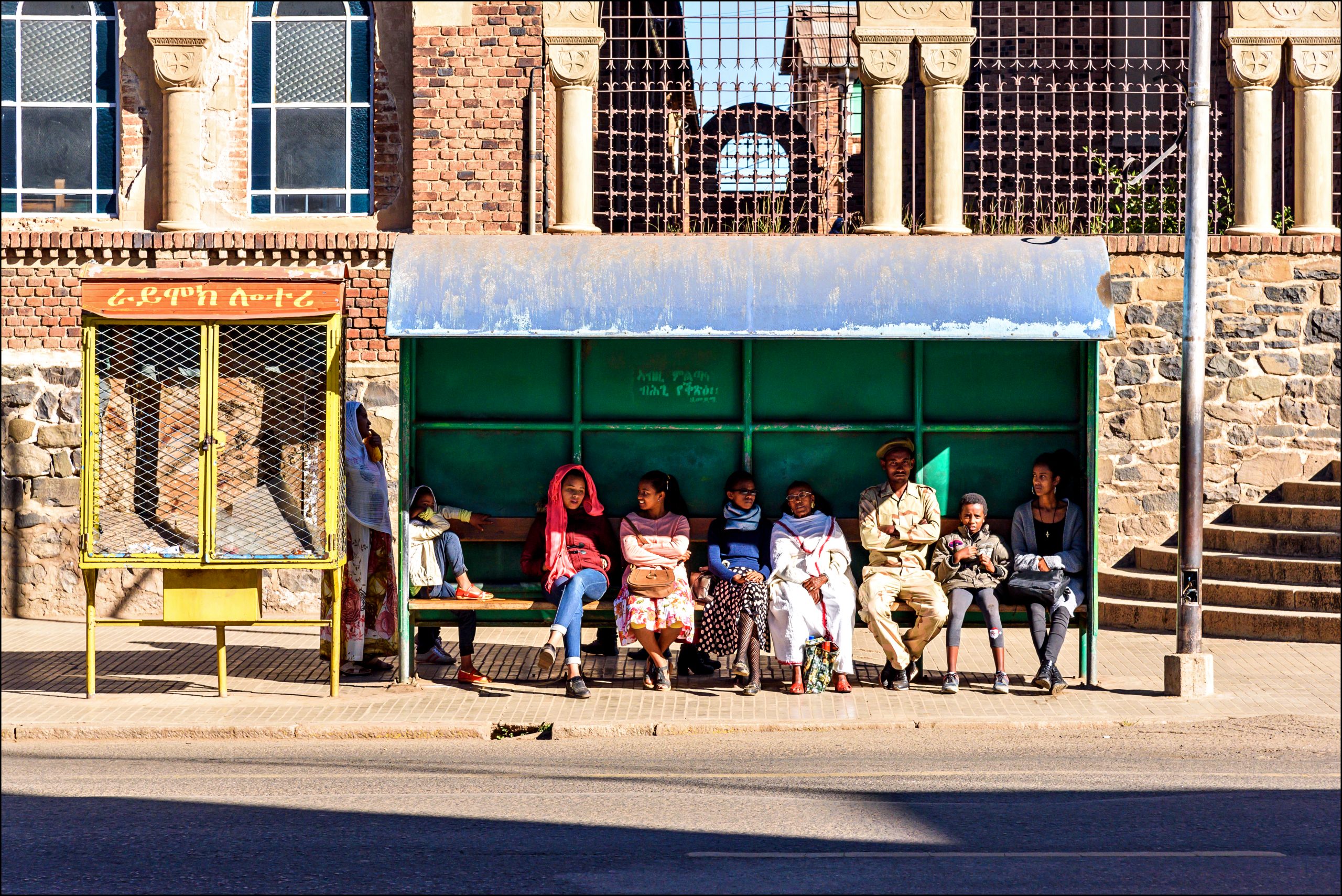
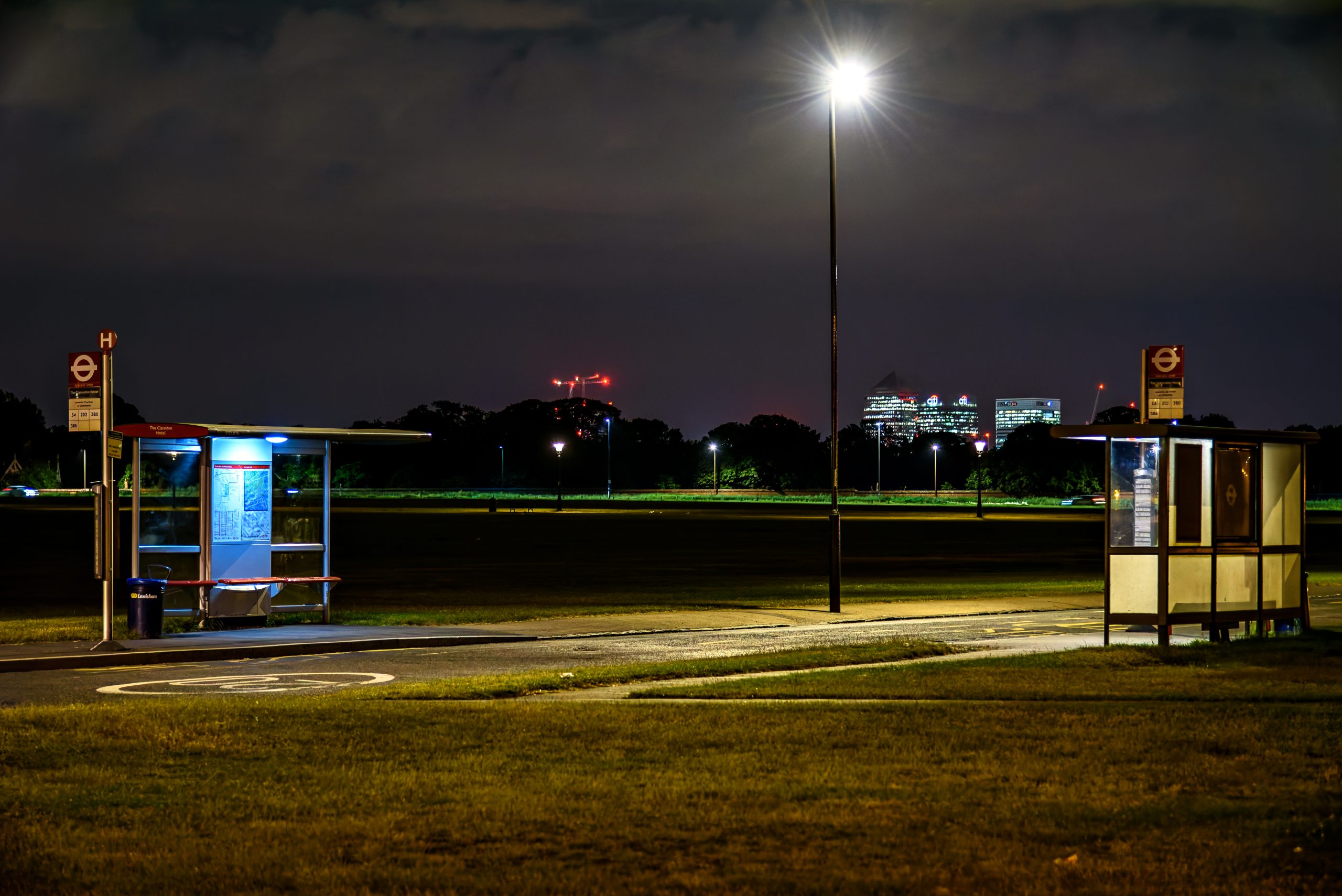
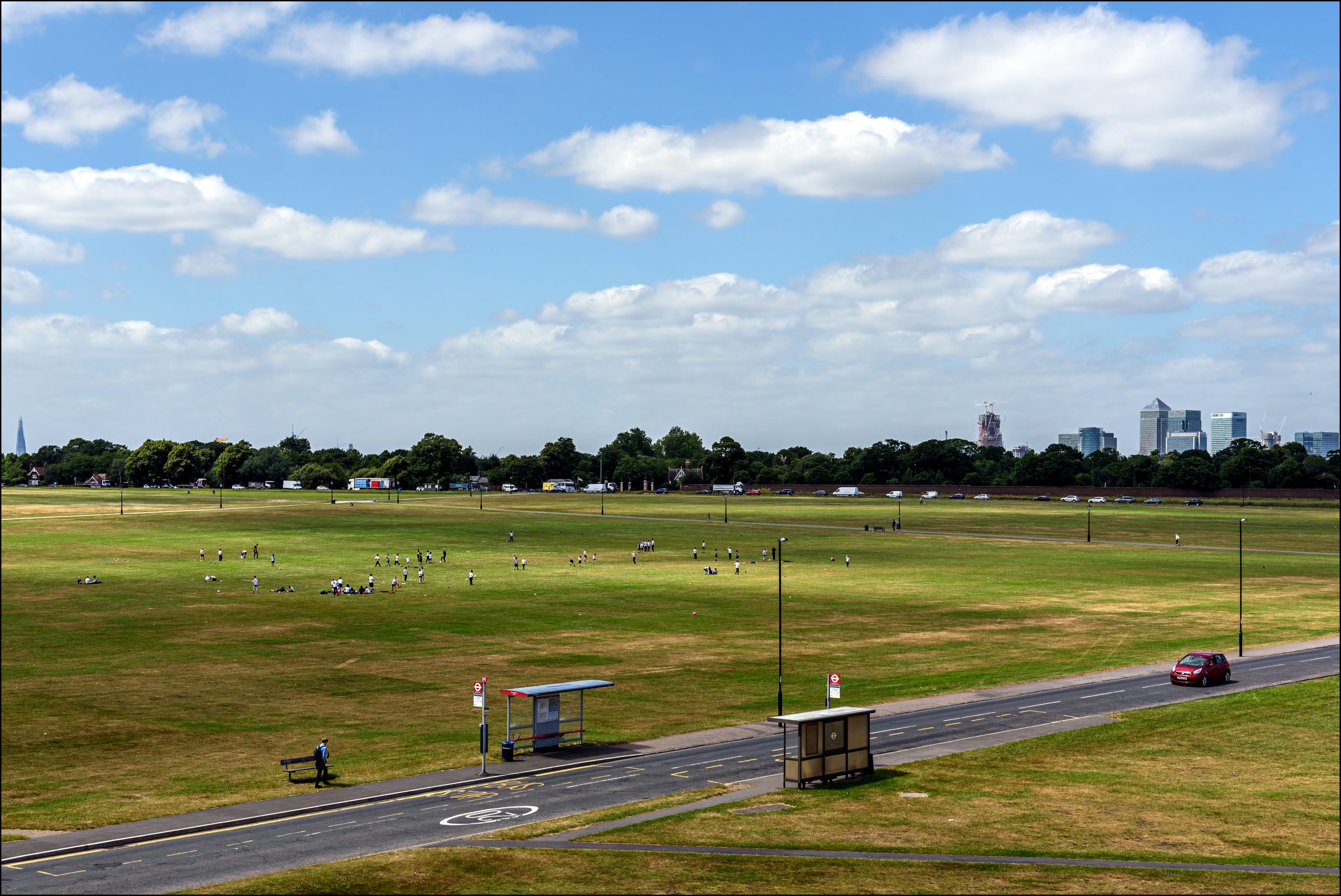
Photographed since 2018.